
Dh42 Billion Liveability Expansion: New Projects, Homes & Infrastructure in Abu Dhabi
Published 9 months ago
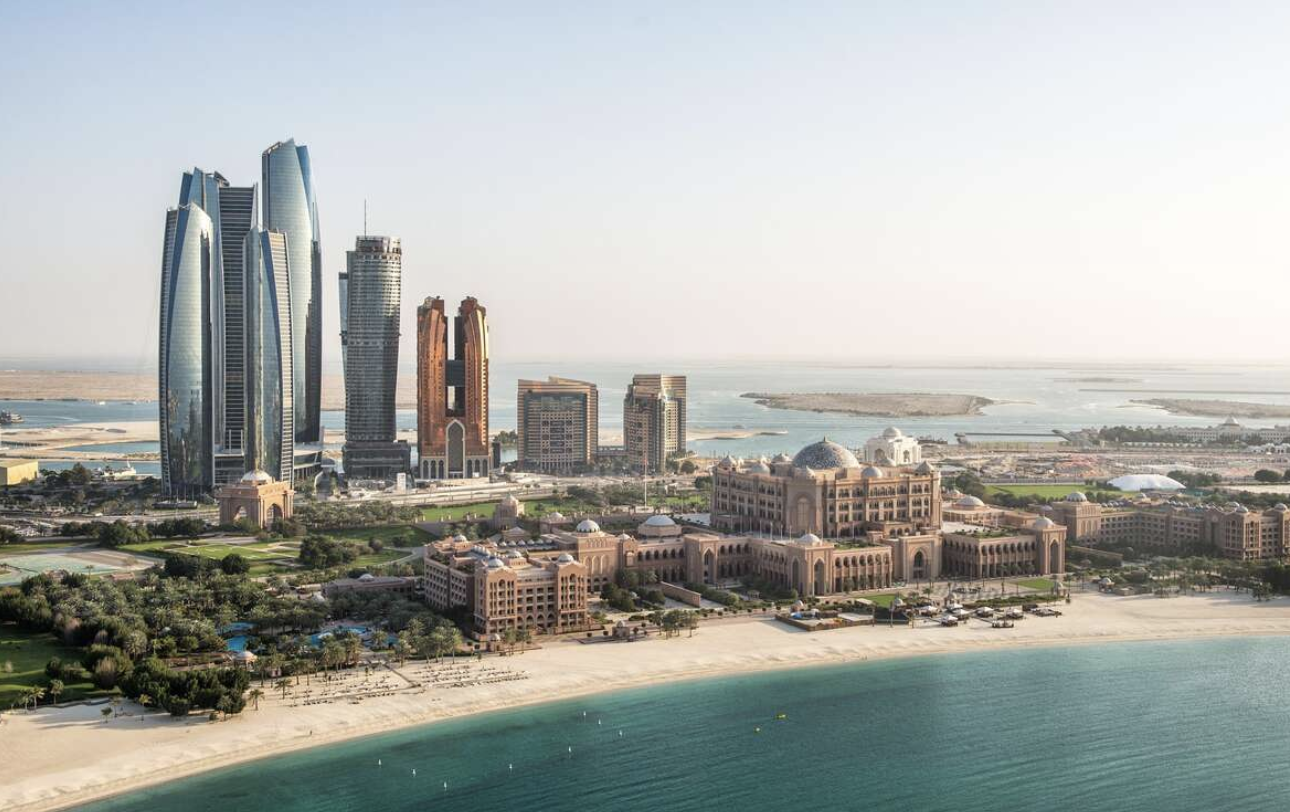
Abu Dhabi has approved a Dh42 billion expansion of its Liveability Strategy to deliver projects enhancing quality of life. From parks, schools and community services to housing, AI‑powered government and infrastructure — learn what’s coming, who ben
What is the Dh42 Billion Liveability Strategy Expansion
According to the TheNational Abu Dhabi’s government has approved a Dh42 billion (~USD 11.44 billion) expansion to its existing Liveability Strategy, first launched in 2023.
The Liveability Strategy aims to enhance the quality of life by investing in:
Community services and wellbeing (parks, sports courts, community meeting places)
Public infrastructure — lighting, sidewalks, walking/cycling paths etc.
Public health, schools, mosques, and other services in neighborhoods.
Digital government and technology improvements via the Abu Dhabi Government Digital Strategy 2025‑2027, including automation of services, AI‑powered tools etc.
Before this expansion, more than Dh12 billion had already been invested under this strategy in roughly 60 projects including over 200 parks and sports courts, 24 schools, 21 mosques & 28 community majlises, plus kilometres of walking/cycling paths and street lighting.
Major Related Housing Plan: 40,000+ Homes & Plots
In parallel, Abu Dhabi has launched a Dh106 billion plan to build 13 new residential communities for Emirati citizens.
Key figures:
25,244 housing units to be constructed over the next 5 years at cost of Dh94 billion.
14,876 residential plots will also be made available, costing about Dh12 billion.
These are fully integrated communities — meaning they come with schools, mosques, parks, green spaces, sports facilities, commercial centres etc.
All units and plots are expected to be delivered by 2029.
What It Means for Ordinary People Starting Life in Abu Dhabi
If you are moving to Abu Dhabi (or starting afresh), here is what you can expect, and how you’re likely to benefit:
| Area | What’s Changing / Coming | How It Helps Residents |
|---|---|---|
| Housing availability & affordability | More units and plots for citizens, especially Emiratis. With thousands of new homes, more options will be available in different areas. | Less pressure on finding decent homes; better chance to get housing in well‑planned communities with amenities. Possibly reduced waiting times or more choice in location. |
| Community amenities & public spaces | Increased parks, sports courts, mosques, community centres, walking & cycling paths. Projects like Al Falah have already delivered many amenities. | Better quality of daily life: places for kids to play, safer walking paths, more open spaces, more leisure options close to home. Improves mental and physical health, social connections. |
| Infrastructure improvements | More lighting, sidewalks, beautification works, better connectivity in neighbourhoods. | Safer streets, better roads, easier mobility, especially for non‑drivers; more comfortable evening walks etc.; generally smoother daily life. |
| Public services | More schools, mosques etc in new communities. | Closer access to education, religious services, social facilities reduces commute time, cost, improves convenience. |
| Digital / government services | Push to automate government services, introduce AI tools, improve digital infrastructure, cloud etc. | Less paperwork, faster service deliveries, ability to deal with many services online; more efficient interactions with government bodies. |
| Sustainability & environment | Green spaces, walking and cycling paths, parks, recreational spaces included; emphasis on sustainable design in new housing communities. | Cleaner air, better environment, healthier options, more outdoor lifestyle. Potentially lower utility / energy usage depending on design, more pleasant surroundings. |
What to Be Mindful Of / Possible Challenges
Even with more homes, demand may still be high in desirable areas; prices/rents in sectors not covered by the plan (e.g. for non‑citizens) may remain elevated.
Moving into a new community can involve longer commutes if amenities are still under construction; schools may take time to open.
While infrastructure upgrades are planned, there may be transitional disruptions (construction, road works etc.).
Cost of living (utilities, schooling, transport) remains an important factor; salaries / income must be considered.
How This Fits into Abu Dhabi’s Bigger Strategy
Strengthens social stability and wellbeing — leadership considers housing, liveability and family cohesion as priorities.
Supports population growth: Abu Dhabi’s population has crossed 4 million with rapid growth, making housing & amenities plans necessary.
Ties in with digital government goals: automation, AI, smarter infrastructure – all to make governance more efficient and user‑friendly.
FAQs
Will the Dh42 billion plan benefit non‑citizens / expats?
The housing component (Dh106B plan) is primarily for Emirati citizens. But many other public amenities (parks, schools, infrastructure, digital services) are likely accessible to everyone. So expats will benefit from the improved community services and infrastructure.When will the new homes and plots be available?
Delivery is expected over the next 5 years, with many of the new communities and plots to be ready by 2029.How will commuting / amenities access change?
With more integrated communities, public services closer to homes, more sidewalks, cycling/walking paths, there should be less need for long travel for daily essentials. However, depending on where you choose to live, initial commute times may vary until all facilities are complete.What does the digital strategy mean for everyday tasks?
Expect more government processes to be online and automated, fewer in‑person visits, maybe faster permit‑approvals, AI tools assisting services, more efficient digital infrastructure. This means saving time and effort for things like licensing, utility setups etc.Is this plan likely to reduce cost of living / housing prices?
It may help by increasing supply of housing for citizens, which can ease pressure somewhat. But for markets with high demand (especially desirable areas, prime locations), prices or rents might remain high. Savings likely more from better access to amenities, reduced travel/transport, improved services, rather than large drops in premium housing costs.