
Dubai on a budget: A Young Professional’s Guide
Published 3 months ago

A vibrant city teeming with history, culture and culinary impact, Dubai offers student and young professionals an energetic lifestyle- this guide explores living opportunities while staying budget-conscious.
As flashy and expensive Dubai is portrayed to be in media, movies, film etc. there are still quite a few loopholes that a working bachelor can work around in the present times. With the right mindset, appropriate budgeting and mindful expenditure, conquering life in Dubai won’t seem too difficult as you once did at the start. From mindful eating to budgeting and keeping money aside for entertainment and leisure, this guide has it all for a working professional/student to take care of from a day to day basis. This is a no frills guide, allowing a healthy balance between work expenditure as well as expenditure for leisure.
Accommodation is the biggest expense in Dubai, ranging from affordable shared housing in areas like Deira to premium apartments in central locations, with additional costs for utilities and telecom. Transport can be economical using public options like the Metro, but owning a car significantly increases monthly expenses. Food costs remain flexible, with groceries and occasional dining keeping budgets manageable. Overall, a single professional can expect moderate to high monthly spending depending on lifestyle choices and location.
A Solid Bracket: What “High-Fly” Really Means in Dubai:
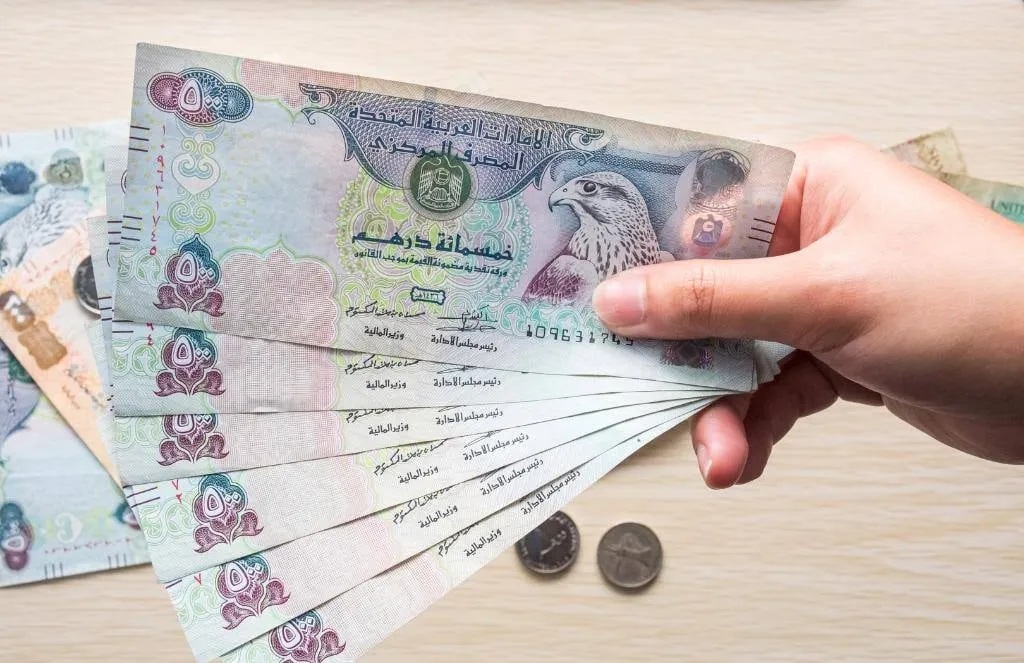
Since this is an entry level guide, it mainly focuses on a starter salary or a student monthly pocket money of AED 8,000 – 15,000/month. This enables one to live independently, easily but with planning. Now, it comes down to the real deal, what one can afford and consume throughout a given month. Dubai has some of the world’s highest standards of living across all areas and payment options. For this specific payment range, a nice shared apartment option is available in certain areas. A studio is also an approachable option in areas like Deira, Bur Dubai, Al Nahda. Both of these options include social living and living with more than 2 people at least. If solo living is preferable, it comes at a higher cost slightly above this bracket between the 12K–15K AED range.
Assuming that rent is the way to go, it comes down to 2k-3kAED per month, taking up approximately 35%-50% of your income.
Getting around Dubai: Metro, buses and beyond
The efficient integration of Dubai's diverse public transport options, which encompass the ultra-modern Dubai Metro, an extensive network of public buses, and unique water taxis, significantly enhances accessibility for residents and visitors alike. The Nol Card is the absolutely essential, rechargeable smart card that must be acquired and used for seamless payment across the entire spectrum of RTA (Roads and Transport Authority) public transport services. Strategically utilizing these interconnected services is not only convenient but is also generally a much more cost-effective alternative to relying on frequent ride-hailing applications, a financial benefit particularly noticeable for regular commuters and long-term residents.
Furthermore, Dubai's continuous and significant commitment to developing superior pedestrian infrastructure, exemplified by strategically placed, sheltered walkways and comprehensive footbridges, perfectly complements the ease of using public transport for the crucial 'last mile' of any journey, ensuring a fully integrated travel experience from start to finish.
For people in this earning bracket can make the most out of public transportation. It is a fast, reliable and consistent way of travelling.

Eating your way through the emirates:
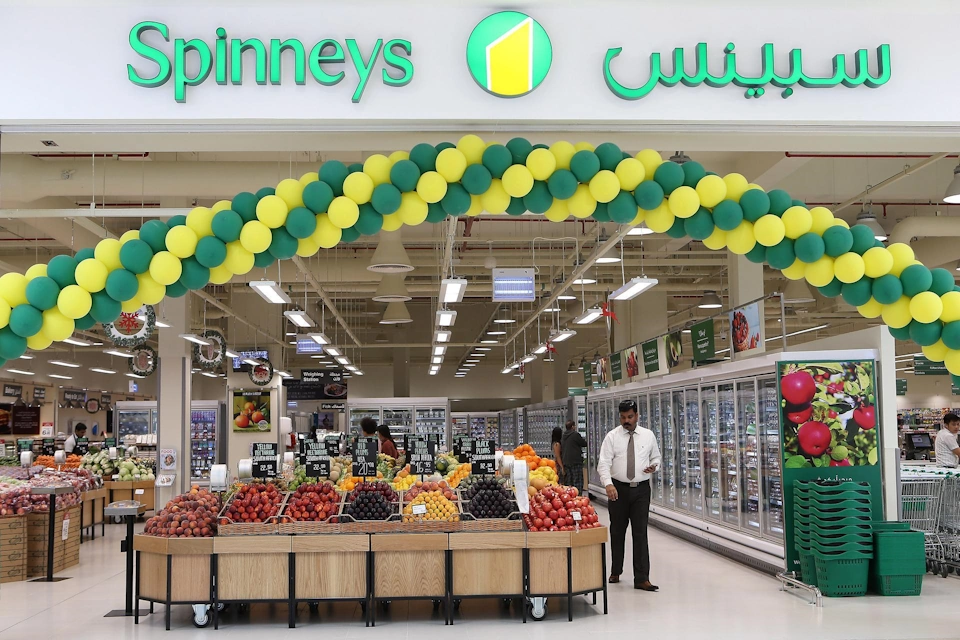
Food and essentials in Dubai are relatively manageable for those in the AED 8,000–15,000 income range, especially with a balanced approach. Groceries from budget-friendly supermarkets and local stores can significantly reduce monthly expenses if you cook most of your meals, while cafeterias and casual eateries offer affordable options for quick bites without straining your budget. However, reliance on food delivery apps or frequent dining out can quickly increase costs. Daily essentials such as toiletries, cleaning supplies, and basic household items are easily accessible, though prices vary depending on whether you shop at premium or discount outlets. Planning purchases, buying in bulk when possible, and sticking to a routine can help keep spending predictable. Overall, a mix of home cooking, occasional eating out, and mindful shopping habits allows for a comfortable and sustainable lifestyle without overshooting your budget. This income bracket allows for a stable and decent quality of life, provided expenses are kept in check.
Everyday Budget-Friendly Supermarkets:
Carrefour Hypermarket- Best all-rounder (good prices + huge variety)
Lulu Hypermarket - Dubai Outlet Mall- Great for affordable fresh produce and bulk shopping
Baqer Mohebi Supermarket- Known for cheap deals and bulk buying
Dubai under the lights:
Social and lifestyle spending in Dubai for those earning between AED 8,000 and 15,000 a month is more about balance than indulgence. Most social activities revolve around affordable cafés, casual dining spots, mall outings, and occasional movies rather than high-end nightlife or luxury experiences. Weekend plans might include beach visits, public attractions, or budget-friendly brunch deals instead of premium clubs or lounges. While Dubai offers a vibrant social scene, staying within budget often means being selective. Opting for experiences that offer value rather than excess. Subscriptions, gym memberships, and entertainment are usually kept minimal or carefully chosen. Overall, maintaining an active social life is very possible, but it requires mindful spending and prioritizing experiences that fit within your means.
At this level, many residents rely on discounts, offers, and apps to stretch their lifestyle further—think weekday deals, happy hours, or bundled experiences. Socializing often becomes more planned than spontaneous, with people choosing specific outings rather than frequent nights out. Free or low-cost activities like walking along the Marina, visiting public beaches, or exploring community events also become a regular part of the routine. Over time, it’s easy to feel the pull of Dubai’s more luxurious side, but staying within this bracket means being intentional about where you spend, ensuring you enjoy the city without letting lifestyle costs quietly spiral.

Understanding your essentials:
Utilities in Dubai are a key part of monthly expenses and should be planned separately from rent. The main cost comes from electricity and water, typically billed through DEWA, which can vary depending on usage but tends to rise during hotter months due to air conditioning. In addition, cooling charges may apply in certain buildings as a separate expense. Telecommunications is another essential category, covering mobile phone plans, home internet, and TV packages, which can collectively add a noticeable amount to monthly spending. While gas costs are usually minimal and often included or low due to cylinder usage, smaller recurring expenses like maintenance, service fees, or building charges can also come into play. Overall, while utilities are manageable, they can fluctuate, making it important to budget with some flexibility each month.
It’s also common for residents to pay deposits when setting up these services, especially for electricity and internet, which adds to initial moving costs. Choosing bundled telecom plans or basic packages can help control expenses, while excessive data usage or premium channels can quickly increase bills. For those living in shared accommodations, some utility costs may be included in rent, offering more predictability. Being mindful of AC usage, switching off unused appliances, and monitoring monthly bills can go a long way in keeping overall utility spending under control.
In summary:
Monthly spend in Dubai for those earning between AED 8,000 -15,000 typically falls within a carefully balanced range, where major expenses like rent, utilities, transport, and food take up the bulk of income. Housing alone can consume a significant share, followed by utilities such as electricity, water, and telecom. Transport remains relatively affordable if public options are used, while food costs stay manageable with a mix of home cooking and budget-friendly dining. Social and lifestyle expenses are present but usually controlled, with spending focused on value rather than luxury. Altogether, monthly expenses can range from approximately AED 6,000 to 12,000 depending on personal choices, location, and habits.
For students earning within this range, a few smart habits can make a big difference. Opting for shared accommodation closer to your university or near metro lines can significantly cut both rent and transport costs. Taking advantage of student discounts, meal plans, and campus facilities helps reduce daily expenses, while limiting frequent food delivery and impulse spending can free up extra cash. Planning monthly budgets and setting small savings goals—even if modest—can also build financial discipline early on while still allowing you to enjoy the city.
In conclusion, this income bracket allows for a stable and comfortable life in Dubai, but not without discipline. The key lies in managing priorities—keeping fixed costs in check, avoiding unnecessary upgrades, and being mindful of lifestyle inflation. While it may not offer a high-fly experience, it provides a solid foundation to enjoy the city, build savings gradually, and potentially move up the income ladder over time.
-Siddhant Kohli


