
Dubai Real Estate Market 2025‑2026: What’s Improved & What’s Next by March 2026
Published 9 months ago
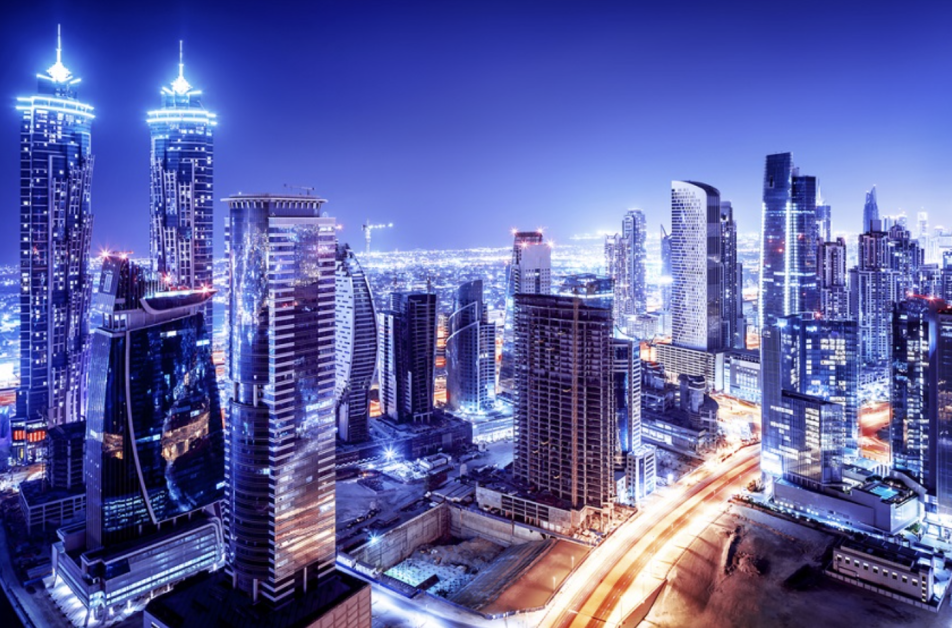
Dubai’s real estate sector has continued its strong upward trajectory in 2025, building on gains made in 2024, and as we move toward March 2026, several key shifts are expected.
Dubai Real Estate Market 2025‑2026: What’s Improved & What’s Next by March 2026
Dubai’s real estate sector has continued its strong upward trajectory in 2025, building on gains made in 2024, and as we move toward March 2026, several key shifts are expected. From increased supply and regulatory tweaks to demand patterns and rental yields, here’s a detailed look at what has changed, what’s improving, and what to expect in the near term.
What Has Improved Since 2024
Transaction Volume & Value Growth
In August 2025, the market recorded 18,678 transactions worth AED 51.1 billion, marking about a 7.9% increase in value year-over-year and 15.4% growth in volume. The Economic Times
Apartments led the sales with ~15,900 units (~AED 30.2 billion), with significant increases in villa and commercial transactions as well. The Economic Times
Price per Square Foot & Rental Yields Rise
Average price per square foot climbed ~15.2% annually to AED 1,720. The Economic Times
Rental yields remain strong: in many segments returns are around 10–12%, exceeding yields in many Western markets. The Economic Times
New Regulatory & Policy Initiatives
The First‑Time Home Buyer Programme, launched in July 2025, has increased access, with developers pledging to allocate at least 10% of units under AED 5 million for first‑time buyers. The Economic Times
Golden Visa programme remains a strong attractor for foreign investors seeking residency plus lifestyle and business benefits. The Economic Times
Supply & Developer Strength
Supply is expanding: an estimated 70,000 new units expected to be completed by end‑2025. The Economic Times
Developers have become financially stronger; demand remains resilient. Projects are going ahead even with higher construction costs. Gulf News
Price Trends among Segments
Villas see strong price increases; in many prime areas, villa prices are ahead of apartment increases. Khaleej Times
Plot/land prices surged (in some reports by large percentages) reflecting long‑term investment interest. The Economic Times
Growing Investor Diversification
Foreign investor interest remains high, especially Indian investors, HNWIs, expatriates. The Economic Times
Demand increasing not just for luxury but also mid‑market and affordable units. Khaleej Time
Expected Changes & Trend Shifts by March 2026
Moderate Price Corrections / Slowing Growt
With the pipeline of new units accelerating, prices are expected to moderate. Reports from Fitch and Moody’s forecast a price correction, likely not exceeding ~15% in many segments.
Growth rates for luxury and prime property may slow; mid‑market units may see softer demand if supply outpaces absorption.
Supply Surge & Delivery Peaks
Deliveries are expected to peak in 2026 with about 120,000 units planned for handover compared to ~30,000 in 2024 and ~90,000 in 2025.
Overall residential supply stock anticipated to grow by ~16% over 2025‑2027, vs population growth of ~5%. Economy Middle East
Rental Market Stabilization
With increasing supply, rental inflation is likely to ease. Some cooling or flattening of rental growth expected in less‑in‑demand areas. Dubai Times
Premium locations may still hold rental yield strength, but pressure from new stock and regulation may temper extremes.
Greater Bargaining Power for Buyers / More Balanced Market
Buyers in mid‑segment will likely gain more leverage with more choice. Payment plans may become more flexible. Developers may offer incentives to sell off‑plan units earlier.
Off‑plan vs ready stock dynamics will matter: delays in handover could alleviate some oversupply pressure. Economy Middle East
Regulation, Affordability, & Mid‑Market Focus
Stronger regulatory oversight (e.g., rental indices, standardised contracts) likely to grow.
Increased focus on affordable housing or mid‑market units, to meet local demand and maintain stability.
Demand in prime luxury and ultra‑prime real estate remains, but might see slower price escalation.
Investor Sentiment & Global Factors
Global economic uncertainties (interest rates, supply chain, inflation) may affect cost of construction and borrowing, affecting pricing.
Foreign investor inflows will still be important; currency stability, visa regimes, global perceptions will continue to play a role.
FAQs: What the Real Estate Market Looks Like in the Region for 2026
Q1: Will property prices in Dubai decline in 2026?
A1: Yes, modest declines or price corrections are expected in some segments. Reports by Fitch and others project up to ~15% correction in residential property values in certain mid‑market or oversupplied areas, especially as a large number of new units are delivered.Q2: How will increased supply affect rental rates by 2026?
A2: With ~120,000 units expected to hand over in 2026, rental rate growth is likely to slow, particularly in non‑prime areas. Premium locales may hold stronger rental yields, but overall, renters may find more options and less steep increases.Q3: What segments of the property market are most resilient?
A3: Luxury and ultra‑prime property (villas, prime plots, branded residences) are likely to remain more resilient due to limited supply and demand from high‑net‑worth individuals. Mid‑market apartments may face more pressure but also offer opportunity for savvy buyers.Q4: How will affordability and access change for first‑time buyers?
A4: Improved — programs like the First‑Time Home Buyer initiative (units under AED 5 million) are expanding access. More mid‑market supply will help, and competitive pricing or incentives expected in off‑plan offerings.Q5: Are there risks that could derail growth by March 2026?
A5: Several risks exist — oversupply in certain zones, rising interest rates, inflation of construction costs, potential delays in project completions, and global economic headwinds. These could moderate growth or deepen any corrections.