Palm Jebel Ali Dubai: Latest Development Update, Investment Potential & Timeline
Published 5 months ago
Explore Palm Jebel Ali Dubai’s progress, Nakheel’s masterplan, investment outlook, and why it’s the next major waterfront development.
Dubai’s skyline and coastline are always evolving, but few projects capture the city’s long-term ambition as clearly as Palm Jebel Ali. Once paused and now decisively revived, this vast palm-shaped island is emerging as one of the most significant waterfront developments in Dubai’s future.
With construction activity progressing and investor interest returning, Palm Jebel Ali is no longer a distant concept. It is becoming a central pillar of Dubai’s luxury real estate, tourism, and urban expansion strategy.
What Is Palm Jebel Ali?
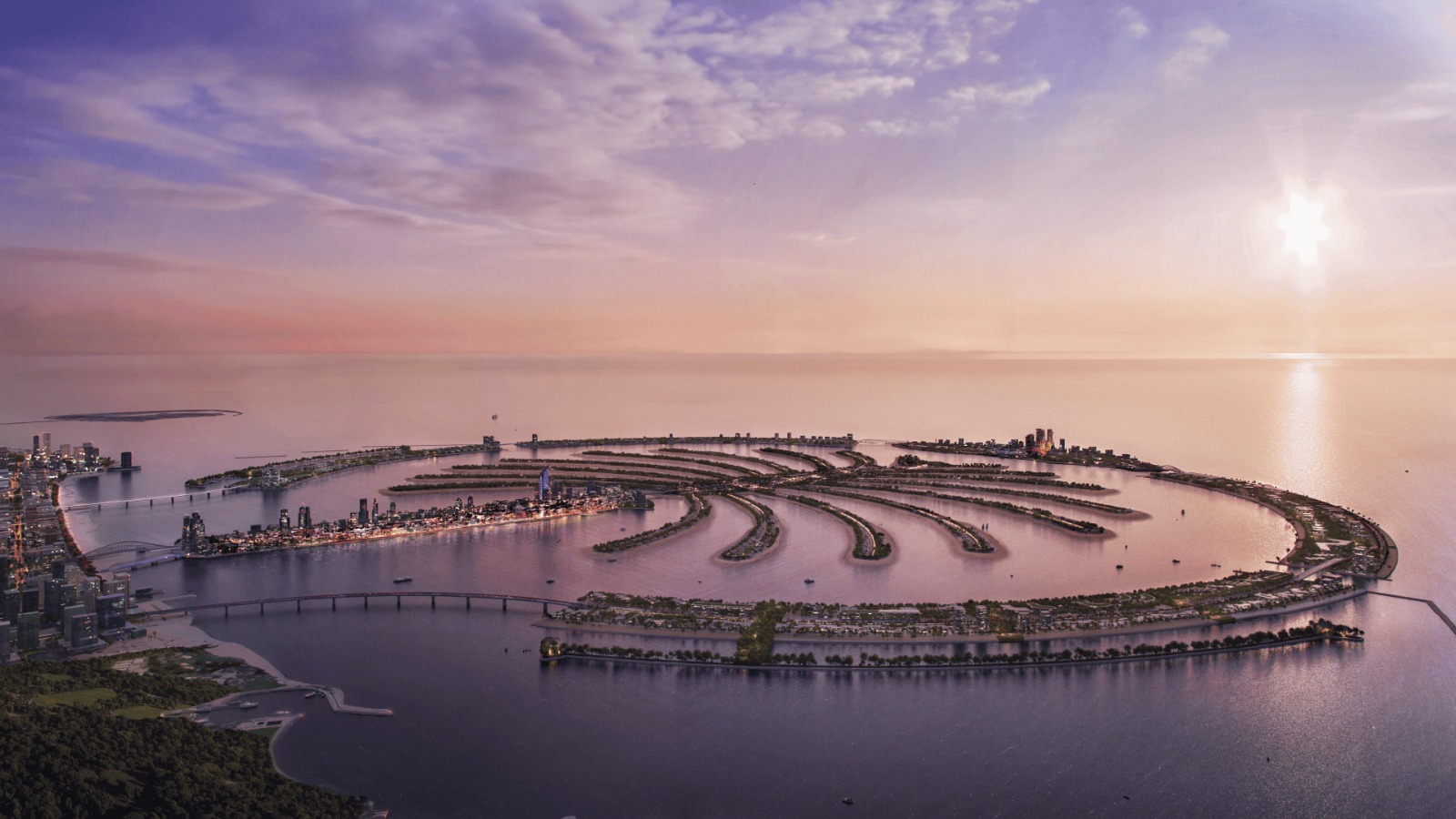
Palm Jebel Ali is a large-scale artificial island development located off the southwestern coast of Dubai, near the Jebel Ali area. Designed in the iconic palm-tree shape, the project is significantly larger than Palm Jumeirah and is planned as a fully integrated destination combining residential, hospitality, retail, and leisure components.
Its location places it close to major infrastructure corridors, future transport networks, and emerging growth zones, positioning it as a key element of Dubai’s next phase of coastal development.
A Project Aligned with Dubai 2040 Urban Master Plan
Palm Jebel Ali plays an important role in the Dubai 2040 Urban Master Plan, which emphasizes sustainable growth, enhanced quality of life, and balanced urban expansion.
The development supports this vision by:
1. Expanding high-quality waterfront housing
2. Increasing tourism and hospitality capacity
3. Creating self-sustained coastal communities
4. Integrating green spaces and smart-city infrastructure
Rather than functioning as a standalone luxury island, Palm Jebel Ali is designed as a future-ready urban district aligned with Dubai’s long-term economic and demographic goals.
From Delay to Momentum: Palm Jebel Ali’s Development Status
Like many global mega-projects, Palm Jebel Ali — developed by Nakheel — experienced delays in its earlier phases, largely due to shifts in global investment flows and changing market conditions. The pause allowed for a strategic reassessment of scale, design, and long-term sustainability.
Today, the project is firmly back on track.
Under a revised master plan led by Nakheel, development momentum has accelerated. Infrastructure works, shoreline shaping, utilities installation, and land preparation are actively underway, with residential fronds being readied for phased construction.
With multi-billion-dirham contracts awarded and early residential phases progressing, Palm Jebel Ali has transitioned from a delayed vision into one of Dubai’s most closely watched active developments.
What Palm Jebel Ali Will Offer
Palm Jebel Ali is envisioned as a comprehensive waterfront destination, designed to support both luxury living and large-scale tourism.
Key components include:
1. Ultra-luxury beachfront villas and residences
2. Branded hotels and resort developments
3. Marinas, promenades, and waterfront dining
4. Retail, entertainment, and leisure hubs
5. Open green spaces and smart urban systems
With an expansive coastline expected to exceed 90 kilometers, the project is set to redefine the scale of waterfront living in Dubai.
About Nakheel: The Master Developer Behind Palm Jebel Ali
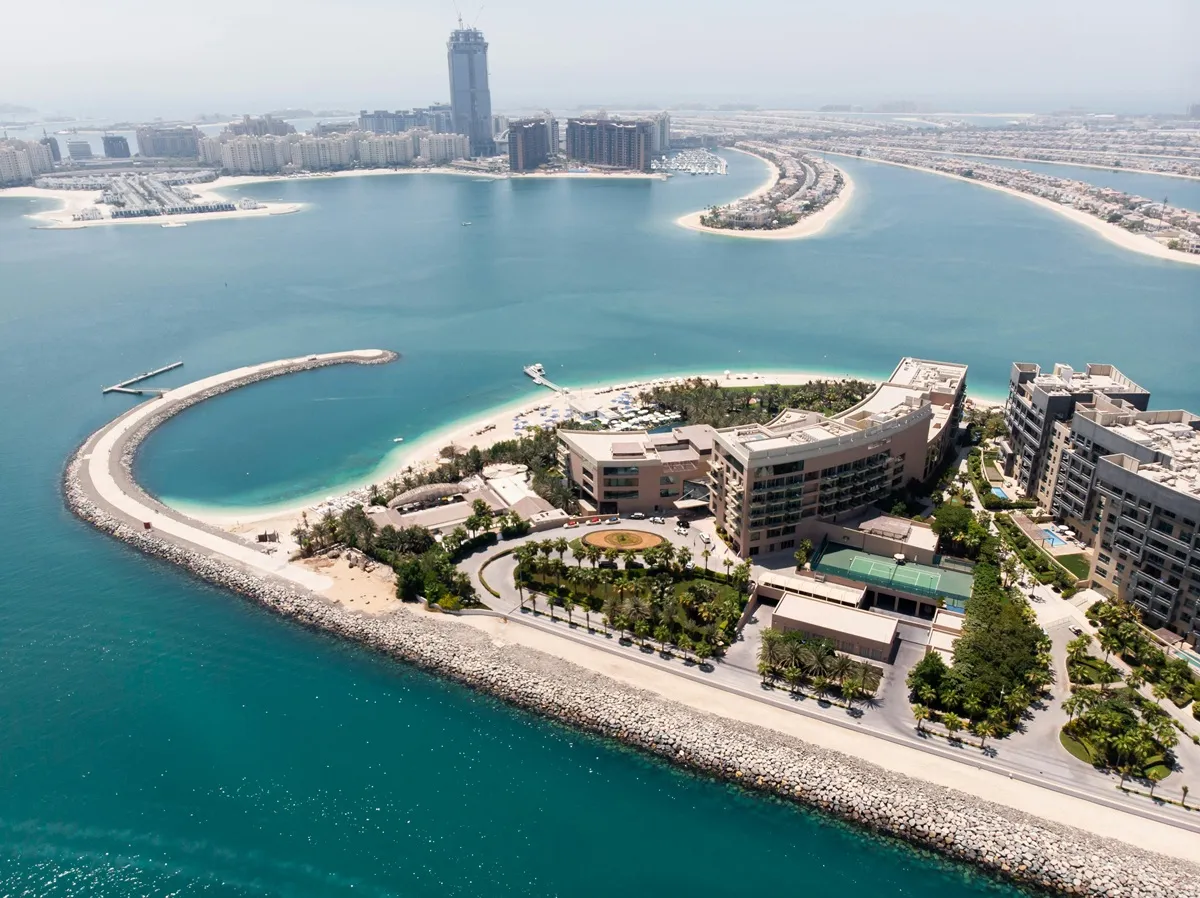
Nakheel is one of Dubai’s most prominent government-owned master developers and a driving force behind the emirate’s transformation into a global waterfront destination.
Its portfolio includes landmark developments such as Palm Jumeirah, The World Islands, Jumeirah Islands, Jumeirah Park, and Ibn Battuta Mall. These projects have collectively shaped Dubai’s modern real estate identity.
Nakheel’s leadership in Palm Jebel Ali brings proven expertise in delivering complex, large-scale developments. Lessons learned from earlier projects — particularly Palm Jumeirah — have informed improved planning, enhanced sustainability measures, and smarter infrastructure integration.
For investors and end users alike, Nakheel’s involvement signals credibility, execution capability, and long-term commitment.
Palm Jebel Ali vs Palm Jumeirah: Key Differences
Palm Jumeirah (Established & Mature)
1. One of Dubai’s most iconic and fully developed waterfront communities
2. Fully built with established infrastructure, amenities, and lifestyle options
3. Premium pricing with limited entry opportunities
4. Strong resale value and stable market performance
5. Ideal for buyers seeking a ready-to-live luxury community
Palm Jebel Ali (New Generation, Growth Phase)
1. Still under development with phased construction and infrastructure rollout
2. Significantly larger in scale, with more coastline and future potential
3. Early-stage pricing offers more entry opportunities for investors
4. Designed with a future-focused mix of luxury living and sustainability
5. Best suited for long-term investors seeking appreciation as the project matures
Bottom line: Palm Jumeirah offers stability and immediate luxury living, while Palm Jebel Ali provides early access to a major future development with higher long-term growth potential.
Infrastructure & Connectivity: Why Location Matters
One of the key advantages of Palm Jebel Ali is its strategic positioning within Dubai’s broader infrastructure network. The island sits near major highways and future transport routes, making it accessible to Dubai’s main business districts, airports, and commercial hubs.
The development is expected to benefit from improved road connectivity, planned metro extensions, and enhanced public transport options that are part of Dubai’s long-term infrastructure expansion. This means residents and visitors could enjoy easier access to central Dubai while living in a more tranquil, coastal environment.
The proximity to Jebel Ali, a major logistics and industrial hub, also adds economic value. The area is already a key employment zone, and Palm Jebel Ali’s growth is expected to strengthen the connectivity between residential demand and employment centers.
Sustainability & Future Technology: A Modern Waterfront Vision
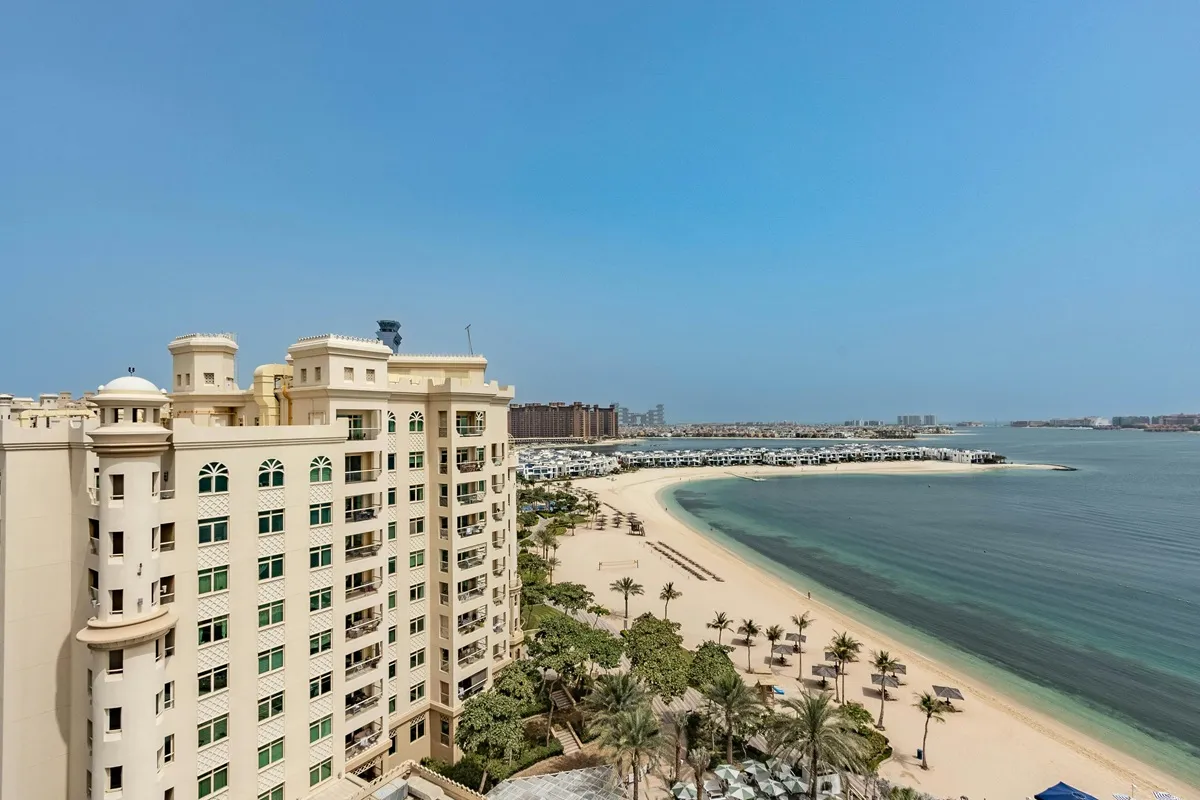
Unlike earlier mega projects that prioritized scale and luxury alone, Palm Jebel Ali’s renewed plan reflects Dubai’s shift toward sustainability and smart urban development.
The project is expected to integrate:
- Efficient water management systems
- Renewable energy components
- Green building standards
- Smart-city technology for traffic, security, and utilities
This modern approach aligns with Dubai’s broader sustainability goals and enhances the long-term viability of the development. By incorporating environmentally responsible design, Palm Jebel Ali can support a future-ready community that balances luxury with practicality.
Risks & Considerations: A Balanced Investment View
While Palm Jebel Ali offers significant potential, it is essential to consider the risks and timeframes associated with mega developments.
Key considerations include:
- Long-term timeline: Full completion may take several years
- Market cycles: Real estate performance can fluctuate with global economic trends
- Construction phases: Early investors may need patience before seeing major appreciation
- Infrastructure dependency: Value growth depends on successful completion of roads, utilities, and amenities
Investors should consider a long-term horizon and prioritize projects with credible developers and transparent plans. With Nakheel leading the development, the project has strong credibility, but the timeline and phased construction should remain part of the investment strategy.
Investment Potential and Long-Term Outlook
From an investment perspective, Palm Jebel Ali presents a compelling long-term proposition. Early-stage pricing, combined with Nakheel’s development credibility and limited supply of premium beachfront land, creates conditions for future value growth.
Dubai’s property market has shown resilience even during global downturns. The city’s ability to attract international capital, tourists, and business expansion continues to support long-term demand for premium real estate. For insight on where to invest in Dubai in 2026, including key hotspots and ROI expectations, refer to where to invest in Dubai in 2026: best property hotspots & ROI insights.
However, it is important to note that this is a long-term investment. Major infrastructure projects require time to reach full maturity, and investors should consider a 5–10 year outlook for capital appreciation. Those seeking short-term gains may find limited upside during the early construction phases.
Impact on Dubai’s Real Estate Market
Palm Jebel Ali is expected to have a broad influence on Dubai’s real estate landscape by:
- Introducing new luxury coastal inventory
- Reducing pressure on established beachfront communities
- Attracting international investors and high-net-worth individuals
- Strengthening Dubai’s position as a global property hub
This impact is consistent with trends observed in Dubai’s market, where major new projects often create spillover demand in surrounding areas and contribute to overall price appreciation. For example, Dubai’s real estate market in 2025 and beyond has been characterized by strong demand and steady growth, particularly in premium segments. For more detailed insights, read Dubai real estate in 2025: safe, lucrative & investor-friendly.
Where Palm Jebel Ali Fits in Dubai’s Broader Growth Strategy
Dubai’s urban development is expanding beyond traditional hotspots, with new districts and master plans emerging across the city. Palm Jebel Ali is a major part of this strategy because it adds substantial coastal real estate without overcrowding existing communities.
The development also supports Dubai’s tourism strategy by introducing additional resort and hospitality capacity. This aligns with Dubai’s long-term goals of increasing tourist arrivals, enhancing visitor experiences, and diversifying tourism offerings.
Why Palm Jebel Ali Matters Right Now
Palm Jebel Ali represents a pivotal moment in Dubai’s development narrative. Its revival reflects a more measured, strategic approach to mega-projects — focused on sustainability, timing, and long-term demand.
With active construction underway and a clear development roadmap, Palm Jebel Ali is no longer a future possibility. It is a project actively shaping Dubai’s next decade.
Frequently Asked Questions (FAQs)
1. Is Palm Jebel Ali currently under construction?
Yes. Infrastructure works and land preparation are actively underway under Nakheel’s revised master plan.
2. Who is developing Palm Jebel Ali?
The project is being developed by Nakheel, a government-owned master developer behind Palm Jumeirah and other major Dubai landmarks.
3. Why was Palm Jebel Ali delayed previously?
The project was paused due to global investment shifts and market conditions before being relaunched with a redesigned long-term vision.
4. Is Palm Jebel Ali a good investment?
It is best suited for long-term investors seeking early entry into a large-scale waterfront development with future appreciation potential.
Image credit: Nakheel Properties
By Marium Arsalan (Content Contributor for Performist Pte Ltd)