Smart Dubai 2030: How AI Is Transforming Life in the World’s Futuristic City
Published 9 months ago
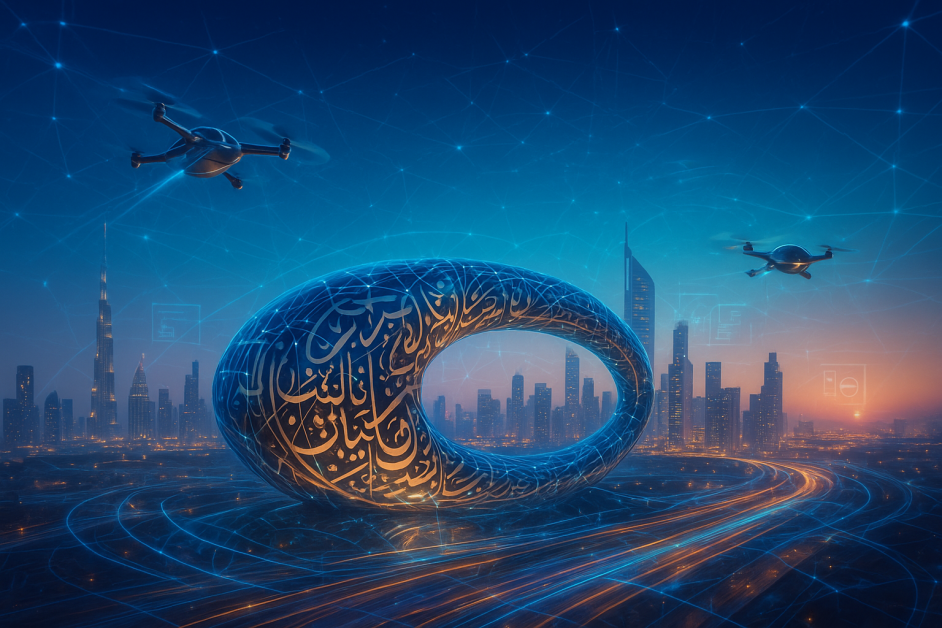
From driverless taxis to AI-powered services, discover how Dubai’s smart city vision is redefining urban living — and the challenges that come with going fully AI by 2030.
Dubai 2030: The Rise of the World’s First Fully AI-Powered City
By Marium Arsalan (Content Contributor for Performist Pte Ltd)
Living in Dubai, it’s hard not to notice how quickly the city is turning its futuristic promises into everyday reality. From digital IDs to paperless government transactions, life here already feels like a glimpse into tomorrow. But Dubai’s ambition goes far beyond convenience — the city aims to become the world’s first fully AI-powered smart city by 2030.
Through initiatives like Smart Dubai, Dubai 10X, and the UAE Artificial Intelligence Strategy, the city is reimagining how technology integrates with daily life. The goal? To use AI not just as a tool, but as an intelligent backbone powering everything — from governance and healthcare to mobility and tourism. The big question now is: can Dubai truly achieve full AI integration by 2030?
AI in Public Services and Governance
Dubai’s government has long been a testing ground for digital innovation. The DubaiNow app, for instance, brings over 120 government services into one platform — from paying bills and renewing visas to registering vehicles — all accessible within seconds.
The city’s Smart Police Stations operate 24/7 with no human officers, handling complaints, reports, and inquiries entirely through AI-powered systems. Meanwhile, Dubai Municipality uses AI for smart waste management, monitoring collection routes and predicting when bins need to be emptied.
These advancements reflect how AI-driven governance is reshaping civic life — making processes faster, data-driven, and user-friendly. Still, as a resident, you sometimes miss the warmth of human interaction — a small reminder that even the smartest systems benefit from empathy.
Smart Mobility — The Future of Movement
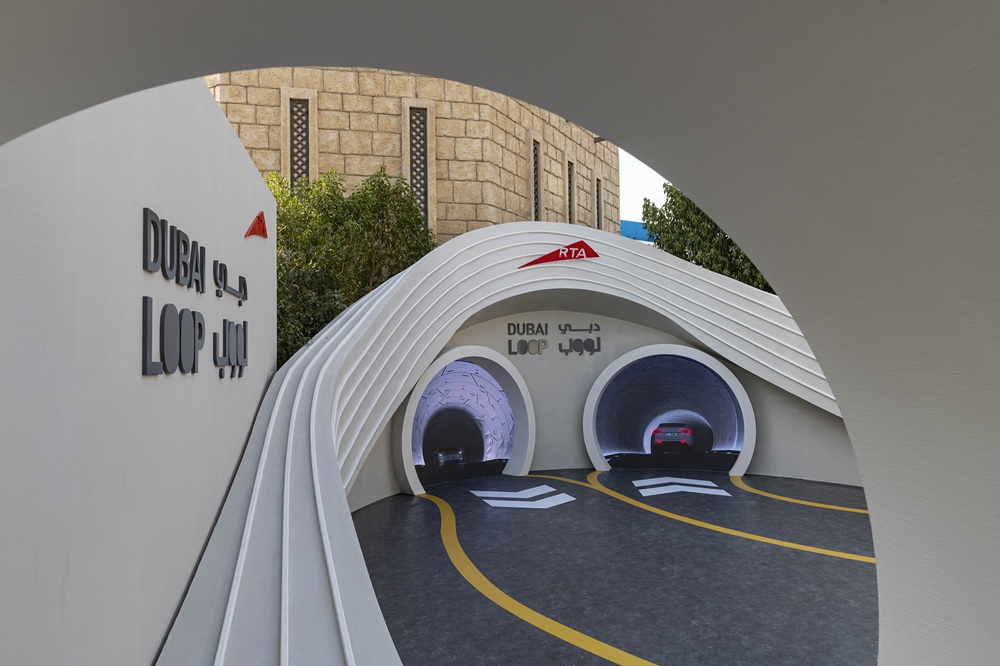
Transportation is one of Dubai’s most visible showcases of AI innovation. The Roads and Transport Authority (RTA) has pledged that 25% of all trips in Dubai will be autonomous by 2030.
Projects like driverless taxis, the Volocopter flying taxis, and the Hyperloop connecting Dubai to Abu Dhabi promise to redefine travel speed and safety. Even the Dubai Metro operates with AI-driven control systems optimizing energy use and timing.
Imagine gliding above Sheikh Zayed Road in a sleek autonomous air taxi while your AI assistant books dinner at Atlantis — that’s not science fiction anymore, it’s the direction we’re heading. Beyond convenience, these systems aim to reduce traffic congestion and emissions, aligning with Dubai’s green mobility goals.
AI for Tourism and Daily Life
AI is also redefining how tourists and residents experience Dubai.
Hotels are embracing AI concierge services, contactless check-ins, and service robots that deliver amenities to rooms. The Visit Dubai platform uses AI to craft personalized itineraries based on your preferences — whether you’re a luxury traveler or an adventure seeker.
In shopping districts like Dubai Mall, AI-powered mirrors recommend outfits, and cashier-less concept stores let shoppers walk out without scanning items. Meanwhile, many new residences now feature AI-integrated smart home systems, controlling lighting, temperature, and security with a single voice command.
This seamless blend of comfort, luxury, and intelligence captures Dubai’s core — a city where innovation always meets lifestyle.
Challenges — Data Privacy and Public Acceptance
For all its brilliance, the road to becoming a fully smart city isn’t without challenges. The most significant concerns revolve around data privacy, surveillance, and ethical AI use.
As AI systems collect vast amounts of data — from traffic cameras to digital IDs — citizens naturally wonder how this data is stored, shared, and protected. The Dubai government has made strides toward creating AI ethics frameworks and data protection laws, but public trust remains crucial.
There’s also the human side — how comfortable are people handing over daily decisions to algorithms? Achieving true “smartness” requires not just advanced tech, but social acceptance.
Conclusion: Is Full AI Integration Really Achievable?
Dubai’s progress toward becoming a fully smart city is nothing short of inspiring. The city has already achieved milestones that many global capitals are still conceptualizing. But full AI integration isn’t just about sensors and algorithms — it’s about people adapting to live harmoniously with technology.
As a Dubai resident, I find it fascinating to witness this transformation up close. The future is unfolding right here — not in abstract terms, but in the way we move, work, shop, and interact every day. Whether or not Dubai becomes 100% AI-powered by 2030, it’s already proven one thing: the future doesn’t wait — it’s built.
FAQs About Smart Dubai and AI Integration
1. What is Smart Dubai?
Smart Dubai is a government-led initiative aimed at transforming Dubai into the world’s smartest and happiest city by 2030, using AI, blockchain, and digital services.
2. How is AI used in Dubai’s public services?
AI powers systems like the DubaiNow app, Smart Police Stations, and AI traffic management, making services faster, predictive, and more efficient.
3. Are driverless cars available in Dubai?
Dubai is currently testing driverless taxis and aims to make 25% of all trips autonomous by 2030 through projects led by the RTA.
4. What are the main challenges of becoming a smart city?
Key challenges include data privacy, public trust in AI, cybersecurity, and ensuring accessibility for all residents.
5. Will AI replace human jobs in Dubai?
While AI automates many tasks, Dubai’s vision emphasizes reskilling and innovation, ensuring technology complements — not replaces — human talent.