Smart Property Investments in Dubai: How Residents Can Grow Wealth in 2025
Published 8 months ago
Discover how Dubai residents can turn rent into wealth through smart property investments, high ROI, and flexible plans in 2025’s booming real estate market.
By Marium Arsalan (Content Contributor for Performist Pte Ltd)
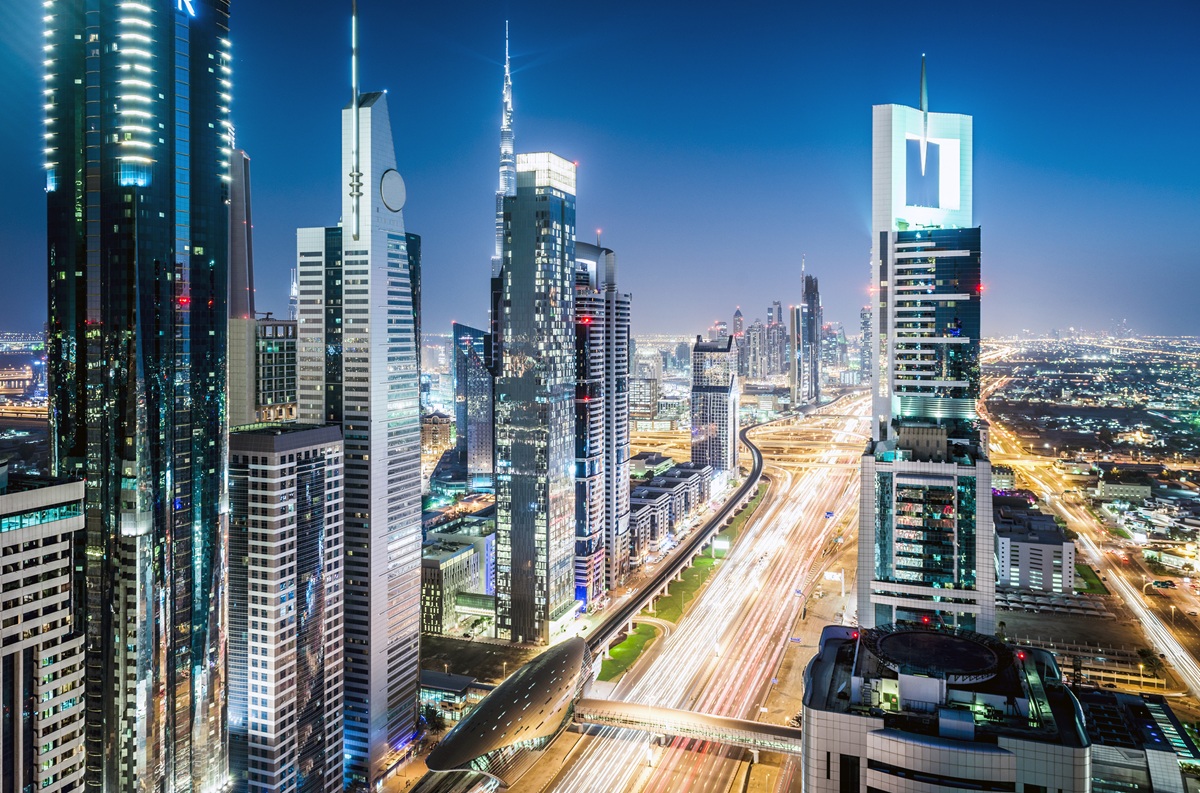
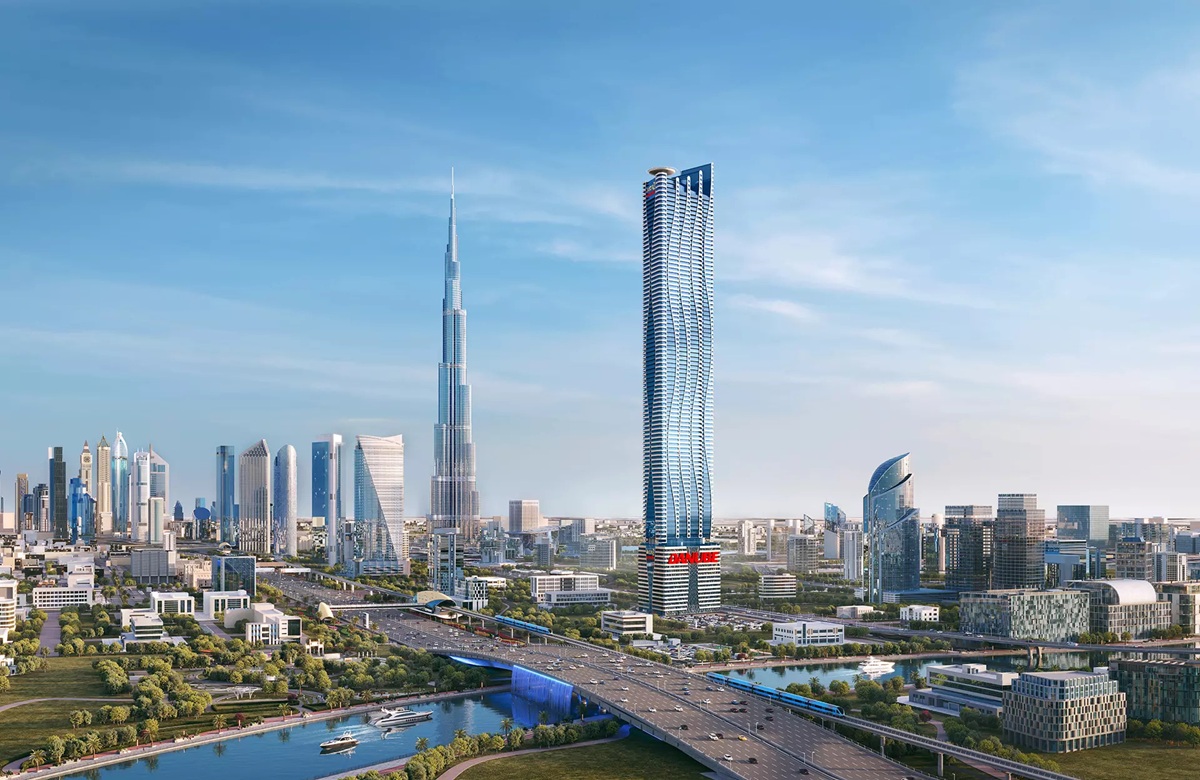
Dubai isn’t just a city of skyscrapers and sunshine — it’s one of the world’s most profitable real estate markets, where residents have a genuine chance to turn their income into long-term wealth.
Whether you’re paying rent, owning your first home, or looking to invest in a second property, Dubai’s flexible property market offers countless opportunities to generate steady income and secure your financial future.
With attractive payment plans, strong rental yields, and investor-friendly regulations, 2025 might be the best time yet to expand your portfolio in the city you already live in.
Why Property Investment Makes Sense for Dubai Residents
Most Dubai residents already understand the value of real estate — but few take advantage of its full potential.
If you’re renting, your monthly payments are building someone else’s wealth. If you’re a homeowner, your property’s value has likely increased in recent years — but that equity could be doing even more for you.
Investing in a second property can give you a reliable passive income, a backup plan for your family, and an asset that appreciates over time in one of the world’s most stable, tax-free economies.
Rising Rents = Rising Opportunities
Dubai’s rental market has seen consistent growth in recent years, especially in communities like Dubai Hills Estate, Business Bay, and Jumeirah Village Circle. High rental demand means one thing: excellent returns for investors.
Average rental yields range between 6% to 9%, far higher than in cities like London or New York. So, even a modest investment — such as a one-bedroom apartment or townhouse — can bring consistent returns.
That’s why smart residents are no longer just living in Dubai — they’re investing in it.
Off-Plan Properties: Flexible, Affordable, and Future-Focused
Off-plan projects have made it easier than ever for residents to start investing. Developers like Emaar, DAMAC, Sobha, and Nakheel now offer payment plans as low as 1% per month, allowing buyers to invest without overwhelming their budget.
Some even offer 50% post-handover payment plans, meaning you can move in or start renting out your property before completing the full payment.
Here’s why off-plan properties work well for residents:
Low upfront cost: Secure a property with just 5–10% booking.
Flexible payment schedule: Ideal for salaried professionals.
Strong appreciation: By the time your property is ready, it may have already gained 20–30% in value.
No immediate mortgage stress: You pay gradually as construction progresses.
Whether you want a studio for short-term rentals or a family villa in a master community, there’s something for every budget.
Mortgage Opportunities for Residents
If you prefer a ready-to-move-in property, Dubai’s mortgage options are resident-friendly and straightforward.
Local banks offer:
Up to 80–85% financing
Repayment terms of up to 25 years
Competitive interest rates
To qualify, you generally need:
- Emirates ID and UAE residence visa
- Salary certificate or business license
- Six months of bank statements
For many residents, this route is ideal. You can buy a ready property, live in it, or lease it out — and let the rental income help pay off your mortgage.
Building a Second Income Stream
Even if you already own your home, a second property can become your passive income generator.
With Dubai’s growing population, tourism, and business influx, rental demand is strong year-round — from short-term tenants on Airbnb to long-term residents.
Here’s how homeowners are doing it:
Buying a smaller apartment in a prime location and listing it for rent.
Investing in off-plan projects expected to appreciate quickly.
Diversifying — combining one high-end unit with a smaller one for short-term yields.
In short, let your property pay you — not the other way around.
Step-by-Step: How to Start Investing as a Resident
Assess your finances — Decide how much you can invest monthly.
Choose your investment type — Off-plan (gradual payment) or ready (rental income now).
Get pre-approved for a mortgage — Banks like Emirates NBD, ADCB, or Mashreq offer quick approvals.
Select a verified developer or broker — Always work with RERA-approved entities.
Register with the Dubai Land Department (DLD) — Finalize ownership and protect your investment.
It’s that simple — the process is quick, transparent, and fully digital in most cases.
Why 2025 Is the Right Year to Invest
- Property values continue to rise across key areas.
- Developers are competing, offering attractive incentives.
- Population and job growth are fueling rental demand.
- Government policies continue to encourage ownership, including long-term residency visas.
The market outlook remains strong — making 2025 a golden window for residents ready to invest wisely.
Conclusion: Think Big, Live Smart
Dubai isn’t just a great city to live in; it’s a city built to invest in. Whether you’re buying your first home or adding another property to your portfolio, every step brings you closer to financial independence.
With flexible plans, tax-free income, and solid returns, investing in Dubai real estate is one of the smartest decisions residents can make in 2025.
Think beyond rent. Think beyond ownership. Think long-term wealth — right here in Dubai.
Looking at Dubai from an international investor’s perspective? Discover why global investors see Dubai as the world’s safest property market — Read the full guide here ➜
FAQs: Smart Property Investments for Dubai Residents
1. Why should Dubai residents consider investing in property instead of renting?
Because rent builds your landlord’s wealth — not yours. By owning property, your monthly payments become long-term equity in a valuable, appreciating asset. Over time, your investment can generate rental income or be used to fund a second property.
2. What are the best types of property for residents to invest in?
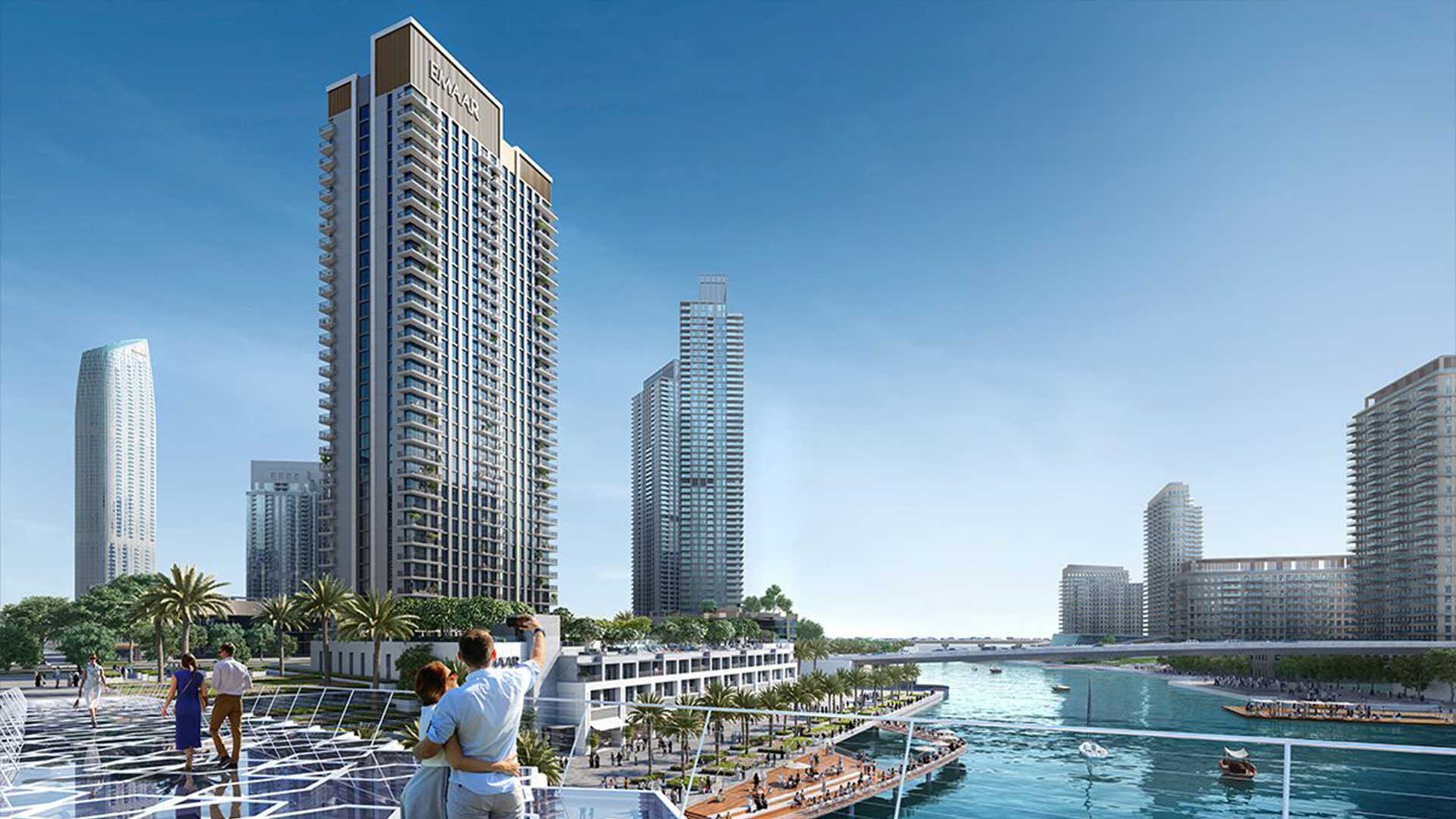
Apartments in Business Bay, Dubai Hills Estate, and Jumeirah Village Circle offer strong rental yields, while off-plan projects in upcoming areas like Dubai Creek Harbour or MBR City offer high appreciation potential.
3. How much money do I need to start investing in Dubai real estate?
Many developers now offer entry points as low as AED 100,000–150,000 with flexible monthly payments. For ready properties, you typically need a 15–20% down payment for a mortgage.
4. What’s better for residents — off-plan or ready properties?
Off-plan: Lower initial payments, flexible plans, and high appreciation before completion.
Ready properties: Immediate rental income and faster ROI through tenants or short-term rentals.
It depends on your financial goals and liquidity.
5. Can I buy a property while still paying rent?
Yes. Many residents start by investing in off-plan properties that require small monthly installments (1–2% per month), allowing them to invest while maintaining their current housing.
6. What ROI can residents expect from investing in Dubai property?
Rental yields in Dubai average 6–9% annually, significantly higher than in many global cities. Off-plan projects can also appreciate 20–30% by completion, offering strong capital growth.
7. Are there mortgage options for salaried residents?
Yes. Local banks like Emirates NBD, Mashreq, and ADCB offer up to 85% financing with repayment periods of up to 25 years, provided you have a UAE residence visa and a stable income.
8. Can I buy property jointly with my spouse or family member?
Absolutely. Joint ownership is allowed for residents, and it’s a smart way to share investment costs while building family wealth.
9. Are there any taxes on property income in Dubai?
No — Dubai offers a tax-free property market, meaning there’s no property tax or capital gains tax on resale. You only pay a one-time 4% Dubai Land Department (DLD) transfer fee.
10. How can residents use real estate to build a second income stream?
You can rent out your property on a long-term basis or through short-term holiday rentals (Airbnb-style). Many residents earn steady monthly income while their property appreciates in value.