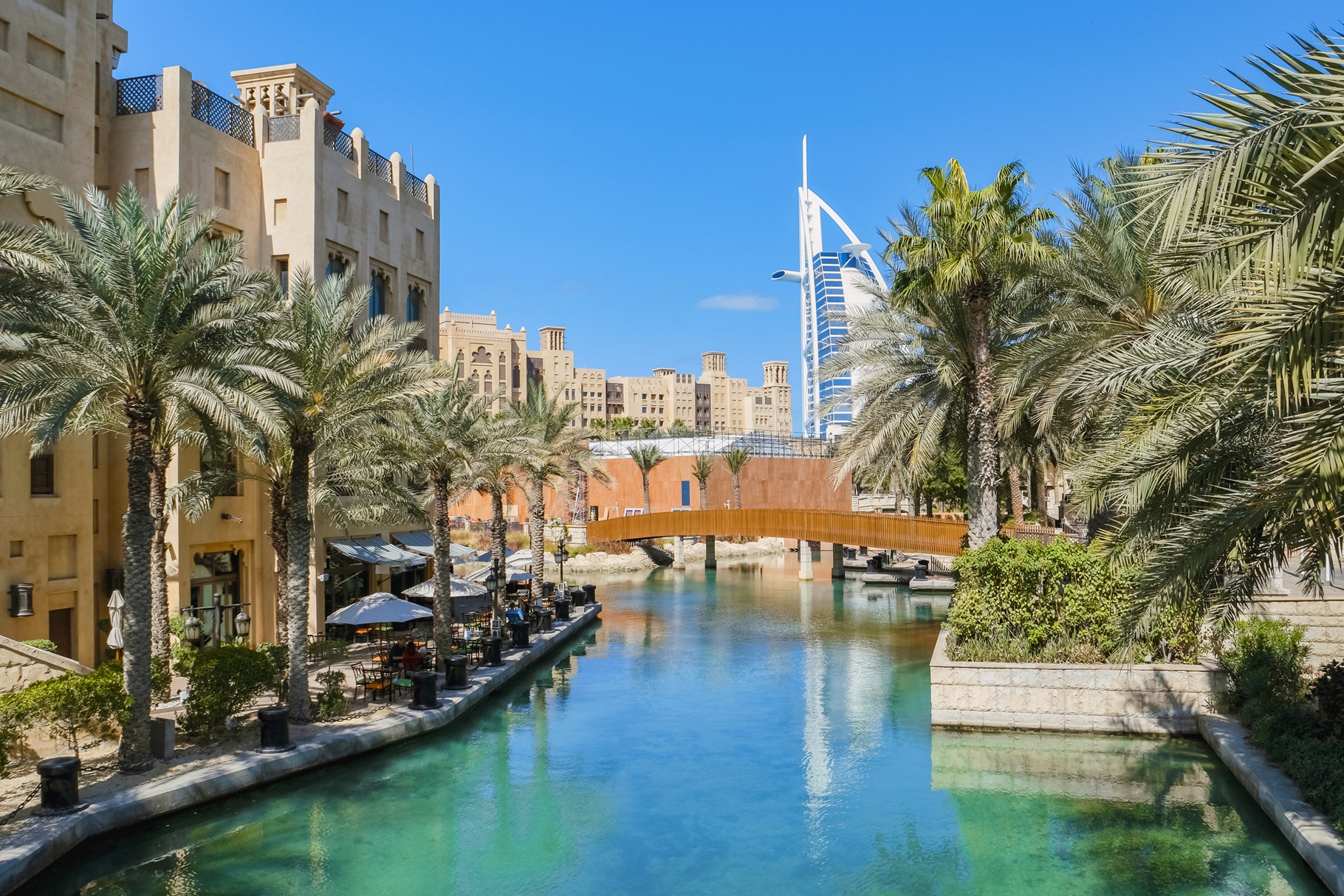
Winter Gold Rush: Why December & January are Peak Profit Months for Dubai Airbnb Hosts
Published 6 months ago

Maximize your ROI during Dubai’s peak winter rush! Discover how December and January’s high demand and premium nightly rates transform your Airbnb into a high-yield powerhouse.
As the global north retreats from the biting cold, Dubai enters its most lucrative season of the year. For short-term rental hosts, the "Winter Gold Rush" isn't just a catchy phrase—it’s a data-backed reality. During December and January, the convergence of perfect weather, world-class events, and high-spending international travelers creates a "perfect storm" for revenue for Dubai Airbnb hosts.
In this guide, we break down why these 62 days are the ultimate window for profit, how Airbnb hosts in specific Dubai neighborhoods benefit differently, and how you can optimize your property to capture the highest possible returns this season.
The Winter Market at a Glance: 2024–2025 Stats
The Dubai short-term rental (STR) market has reached a new level of maturity. According to recent 2025 market reports, the winter season remains the undisputed champion for Airbnb host earnings.
Average Monthly Revenue: Top-performing units are seeing averages of $5,635 (AED 20,700) per month during the peak winter window.
Occupancy Surges: While the city-wide annual average sits around 71%, prime areas like Dubai Marina and JBR spike to 78%–90% during December and January.
The Price Premium: Average Daily Rates (ADR) during January typically climb to $307 (AED 1,127), a 40% increase compared to the annual baseline.
Visitor Volume: Dubai welcomed nearly 14 million overnight visitors in the first three quarters of 2025 alone, with winter arrivals expected to push totals to record-breaking highs.
Location-Specific Benefits: Where the Profit Peaks
In Dubai, "location" isn't just an address—it’s a specialized revenue strategy. Here is how airbnb hosts in the city's top districts benefit during the December and January rush.
1. Downtown Dubai: The "Prestige" Play
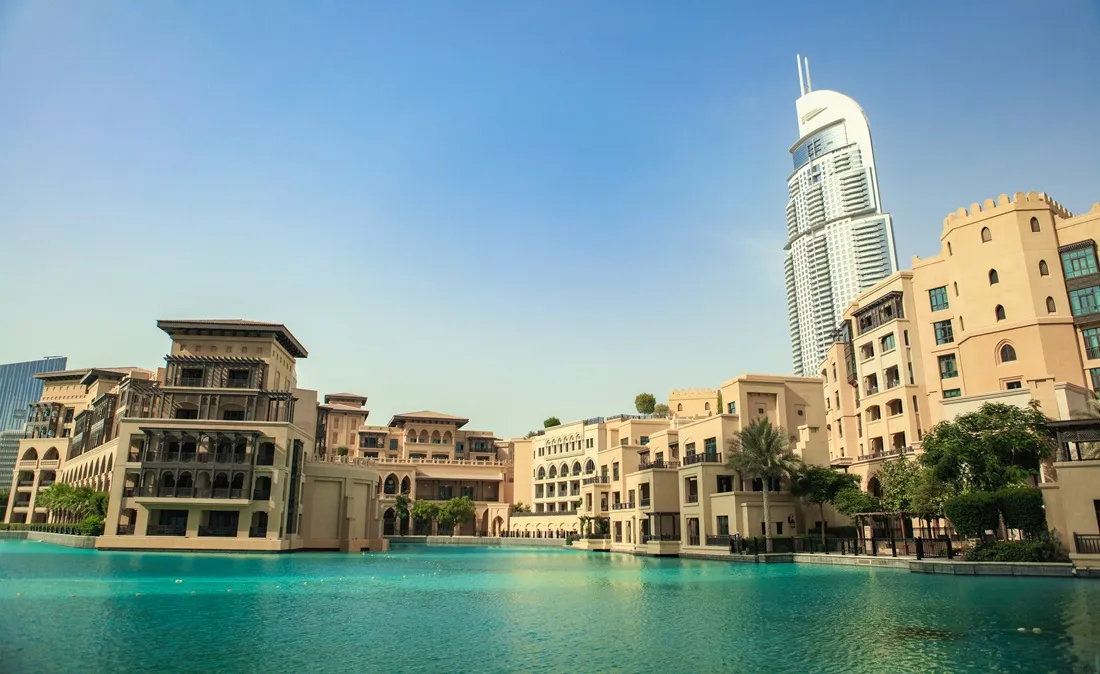
For Airbnb hosts in Downtown, December is the "Super Bowl" of hosting.
The NYE Phenomenon: Properties with a view of the Burj Khalifa or the Dubai Fountain see nightly rates jump by 300% to 500% on New Year's Eve.
Shopping Footfall: With the Dubai Shopping Festival (DSF) kicking off, proximity to the Dubai Mall ensures a steady stream of high-budget retail tourists who value convenience over everything else.
2. Dubai Marina: The "All-Rounder" Yield
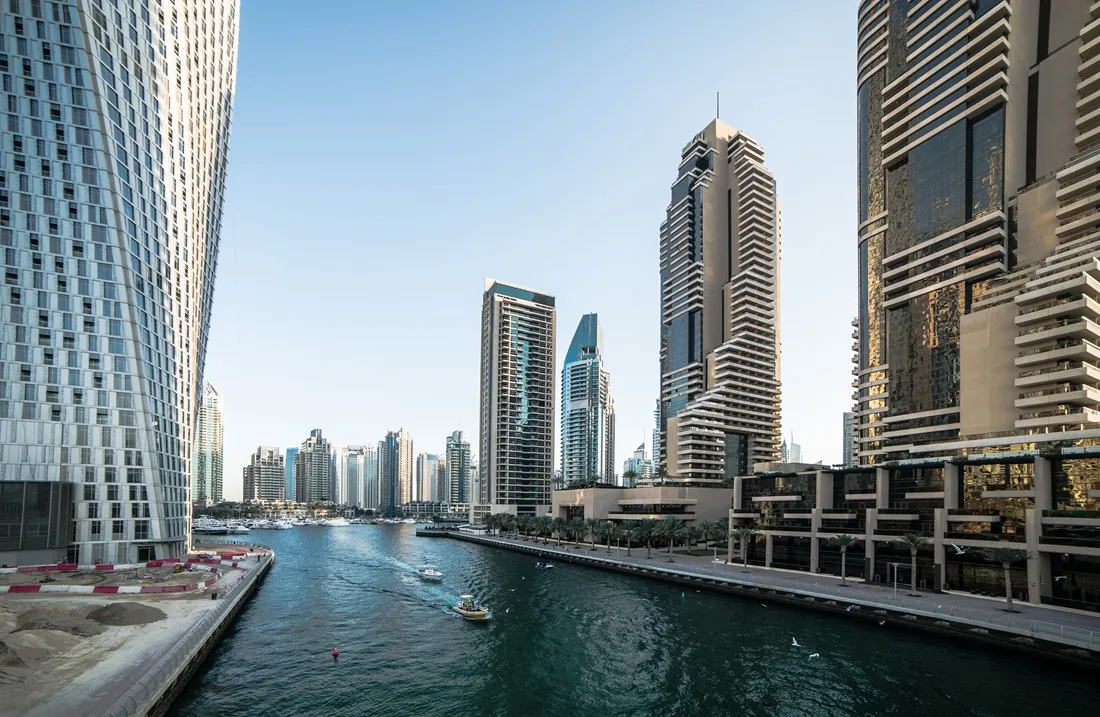
The Marina is often the most profitable area for net ROI due to its lower entry prices and high occupancy.
* Vibrant Lifestyle: Guests flock here for the walkability and the "Marina Promenade" lifestyle.
* High Occupancy: Because it appeals to both sun-seeking tourists and corporate travelers, Marina hosts maintain the most stable occupancy rates (often 85%+) throughout January.
3. Jumeirah Beach Residence (JBR): The "Family & Leisure" Hub
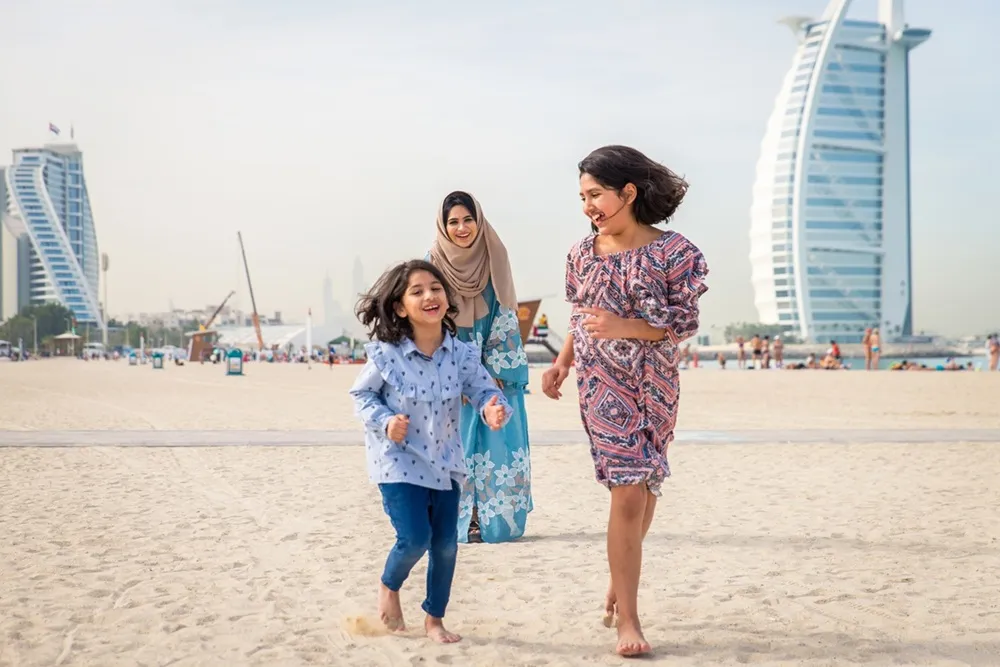
JBR is the undisputed king of the family demographic.
* Winter Beach Appeal: When the desert heat fades, the beach becomes a 24/7 attraction. JBR units—which are typically larger 2 and 3-bedroom apartments—attract families who stay longer and book far in advance.
* Premium Rates: Because JBR offers a "resort feel" without the hotel price tag, hosts can charge a premium that often exceeds the Marina's daily rates.
4. Palm Jumeirah: The "Luxury" Fortress
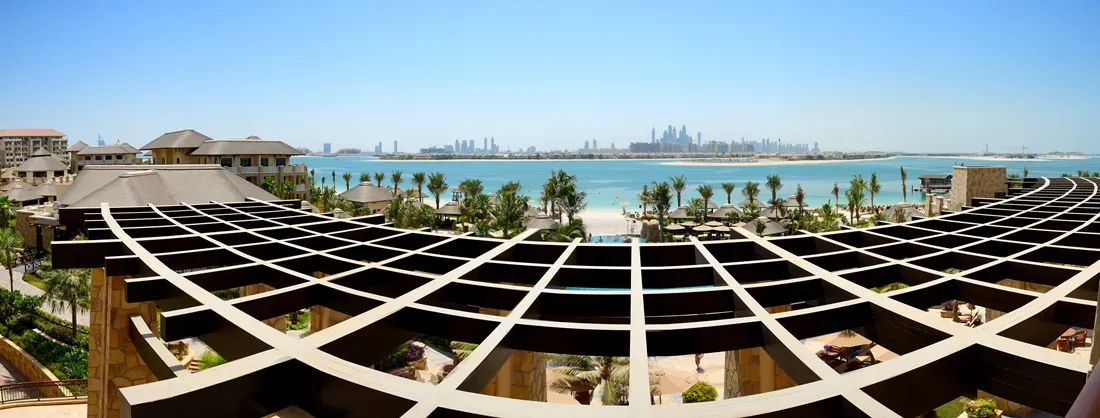
Palm Jumeirah hosts cater to the "Ultra-High-Net-Worth" segment.
* Exclusive Demand: During December and January, luxury villas on the Palm can command rates of $1,500+ (AED 5,500+) per night.
* Resort-Style Living: Guests in this area are looking for privacy and private beach access, allowing hosts to bundle "experience" services like private chefs or yacht rentals into their offerings.
Why December & January Outperform the Rest of the Year
The profitability of the winter months is driven by factors that set Dubai apart from any other global destination.
* The Climate Catalyst: Dubai’s winter weather (19°C to 25°C) is essentially "summer" for Europeans. This drives a 32% increase in stays lasting 7 to 29 nights as guests "winter" in the city.
* The "Event Hub" Effect: Millions of tourists visit specifically for the Dubai Shopping Festival (DSF) drone shows and the opening of seasonal icons like Global Village and Miracle Garden.
* Al Fresco Value: Properties with balconies or private gardens command a 20-25% premium because guests prioritize outdoor living space during the cooler months.
Strategic Checklist: How to Win the Gold Rush
To compete with the 36,000+ active listings in Dubai, you need a strategy that goes beyond just "listing and waiting."
* Implement Dynamic Pricing: Use AI-driven tools to adjust your rates daily based on local demand spikes, such as the Dubai Boat Show or major conferences in January.
* Heated Pool Advantage: listings that explicitly mention "temperature-controlled" or "heated" pools see significantly higher click-through rates during the January "chill."
* The 30-Day Strategy: With 42% of the market now leaning toward monthly stays, consider offering a 10% discount for 30-day bookings to attract high-value digital nomads escaping the European winter.
* Professional Staging: Update your lead photo to feature your balcony view at sunset or your living room styled with subtle festive touches to sell "The Dream."
Neighborhood ROI Comparison (Peak Winter)
Neighborhood | Key Guest Demographic | Average Occupancy | Max Daily Rate (Peak) |
Downtown Dubai | Shoppers, Event-Goers | 82% - 90% | $1,200+ (Burj View) |
Dubai Marina | Couples, Professionals | 78% - 85% | $800 - $1,000 |
JBR | Large Families | 80% - 88% | $950+ |
Palm Jumeirah | Luxury Travelers | 75% - 80% | $1,500+ (Villas) |
Business Bay | Corporate, Solo | 65% - 75% | $350 - $500 |
Conclusion:
The Dubai "Winter Gold Rush" is a limited-time window where the ROI on short-term rentals can outperform traditional yearly leases by over 30% to 50%. Whether you are leveraging the prestige of Downtown or the beachfront allure of JBR, these two months define your financial success for the year.
By aligning your property with the specific needs of winter travelers—focusing on outdoor spaces, festive amenities, and dynamic pricing—you can transform December and January into the cornerstone of your investment portfolio.
By Chithra Sooraj(Digital Marketing Executive)
Frequently Asked Questions (FAQ)
Q1. How much more can I earn in December and January compared to other months?
Ans: Airbnb hosts typically see a 20% to 50% increase in annual revenue during these two months. For prime locations, nightly rates can spike by 40% or more due to the influx of high-budget winter travelers.
Q2. What is the "New Year’s Eve Multiplier" for revenue?
Ans: New Year’s Eve is the single most profitable night of the year. Properties with views of the Burj Khalifa or the Palm fireworks often command rates 300% to 500% higher than their standard price.
Q3. How do occupancy rates change during this period?
Ans: While the annual average occupancy in Dubai is around 70%, December and January often see rates climb to 85%–90%. This means your property is income-generating for nearly every night of the month.
Q4. Why is the guest stay duration longer in the winter?
Ans: Many international travelers visit Dubai in January to escape the European or North American winter. These "winter sun" seekers often book for 7 to 29 nights, which reduces your turnover costs and increases stability.
Q5. Does the Dubai Shopping Festival (DSF) impact my bookings?
Ans: Yes, significantly. The DSF (December–January) attracts millions of tourists. This ensures a consistent stream of guests who prioritize central locations like Downtown and Business Bay for proximity to major malls.
Q6. Can I set minimum stay requirements during these months?
Ans: Absolutely. To maximize profit, many successful hosts implement a 4 or 5-night minimum stay during the Christmas and New Year period. This prevents "calendar gaps" and ensures higher-value bookings.
Q7. How does the weather affect my property’s value?
Ans: Dubai’s perfect winter climate (19°C–25°C) makes outdoor amenities essential. Properties with balconies, terraces, or heated pools can charge a significant premium as guests spend most of their time outdoors.
Q8. Does a busy winter season help my Airbnb ranking for the rest of the year?
Ans: Yes. High occupancy and positive 5-star reviews gained in December and January boost your listing in the Airbnb algorithm, ensuring better visibility and more bookings as you head into the spring.