High ROI Investment Zones in Dubai 2026: Best Areas for Rental Yields
Published 5 months ago
Discover the highest rental yield areas in Dubai for 2026. Compare ROI, gross vs net yields, and income-focused investment zones.
While Dubai continues to attract global property investors, rental performance varies significantly by location. In 2026, income-focused investors are increasingly prioritising return on investment (ROI) — specifically where rental yields remain strong after accounting for service charges, maintenance, and vacancy risk.
Rather than focusing on price appreciation alone, this article examines Dubai’s highest rental yield zones, comparing expected returns, tenant demand, and cost structures that directly influence net income. This builds on our broader analysis of Dubai’s top property hotspots and how different locations align with specific investment strategies.
Understanding ROI in Dubai Property Investments
Before comparing locations, it’s important to distinguish between two key metrics:
a) Gross yield: Annual rent ÷ property price
b) Net yield: Gross rent minus service charges, maintenance, management, and vacancy costs
High headline yields can look attractive, but net ROI is what ultimately matters — especially in communities with higher service charges or short-term rental costs.
1. Jumeirah Village Circle (JVC): Consistent High-Yield Performer
Expected gross yields: ~7–9%
Jumeirah Village Circle continues to stand out as one of Dubai’s most reliable rental yield markets, particularly for studios and one-bedroom apartments. Competitive entry prices, improving infrastructure, and consistent tenant demand have helped maintain strong occupancy levels across most residential clusters.
Investor reports and brokerage data from 2025 show that well-located units in established buildings frequently achieve gross yields in the 7–9% range, supported by affordability-driven demand rather than short-term speculation. This stability helps protect income during market fluctuations.
Service charges in JVC are generally moderate compared to premium districts, allowing investors to preserve healthier net returns when costs are managed efficiently.
Why JVC works for ROI-focused investors:
a) Strong yield-to-price ratio
b) Stable, long-term tenant demand
c) Lower volatility than short-term rental markets
This aligns with our analysis of how rental yields and income-focused strategies contribute to long-term property wealth in Dubai.
2. Dubai South: High-Yield Potential with Growth Upside
Expected gross yields: ~7–9%
Dubai South is increasingly attracting income-focused investors due to its lower price points and expanding tenant base. As Expo City Dubai evolves and aviation-related employment grows, rental demand is gradually strengthening.
While some developments are still maturing, early investors benefit from lower capital entry costs, which significantly boosts yield percentages.
ROI considerations:
a) Yields depend heavily on project completion and occupancy rates
b) Lower service charges in newer residential clusters
c) Best performance in mid-density apartment projects
Best suited for: Investors comfortable balancing income with longer-term area development.
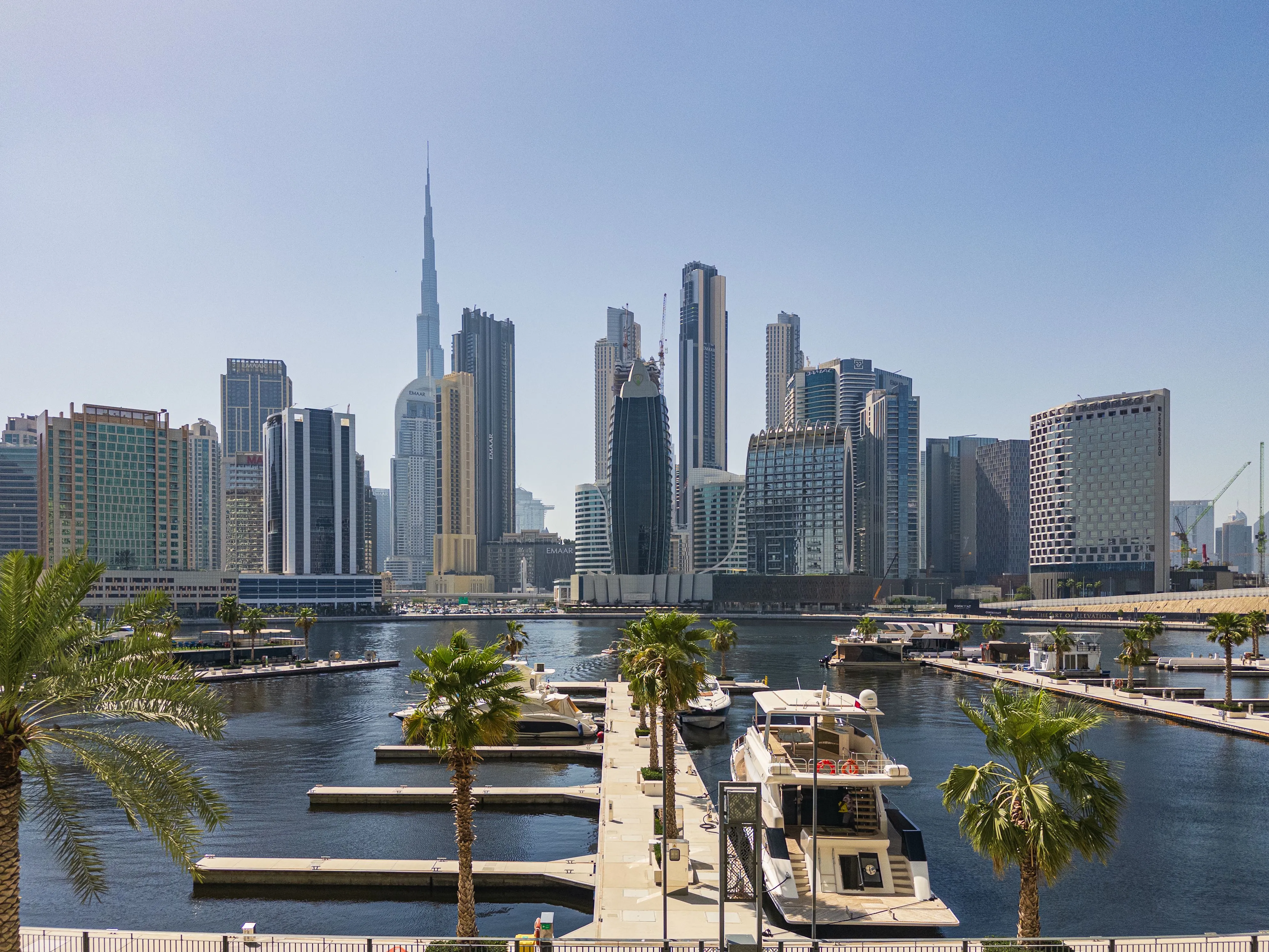
3. Business Bay: Stable Corporate Rental Demand
Expected gross yields: ~6–7.5%
Business Bay remains one of Dubai’s most dependable rental markets due to its concentration of corporate offices, professional services firms, and proximity to Downtown Dubai. Demand is driven primarily by working professionals seeking central locations with strong transport connectivity.
Compared with Downtown Dubai, Business Bay typically offers slightly lower entry prices and greater rental flexibility, while still benefiting from year-round leasing demand. Although gross yields are more moderate than suburban high-yield zones, liquidity and tenant stability help reduce vacancy risk.
Net returns in Business Bay depend heavily on service charges, building management quality, and unit size, making selective investment essential.
Why Business Bay remains attractive for ROI:
a) Consistent professional tenant base
b) Central-city liquidity and resale demand
c) Lower vacancy risk than emerging districts
We compare return profiles across central premium districts in our analysis of Downtown Dubai versus Palm Jumeirah.
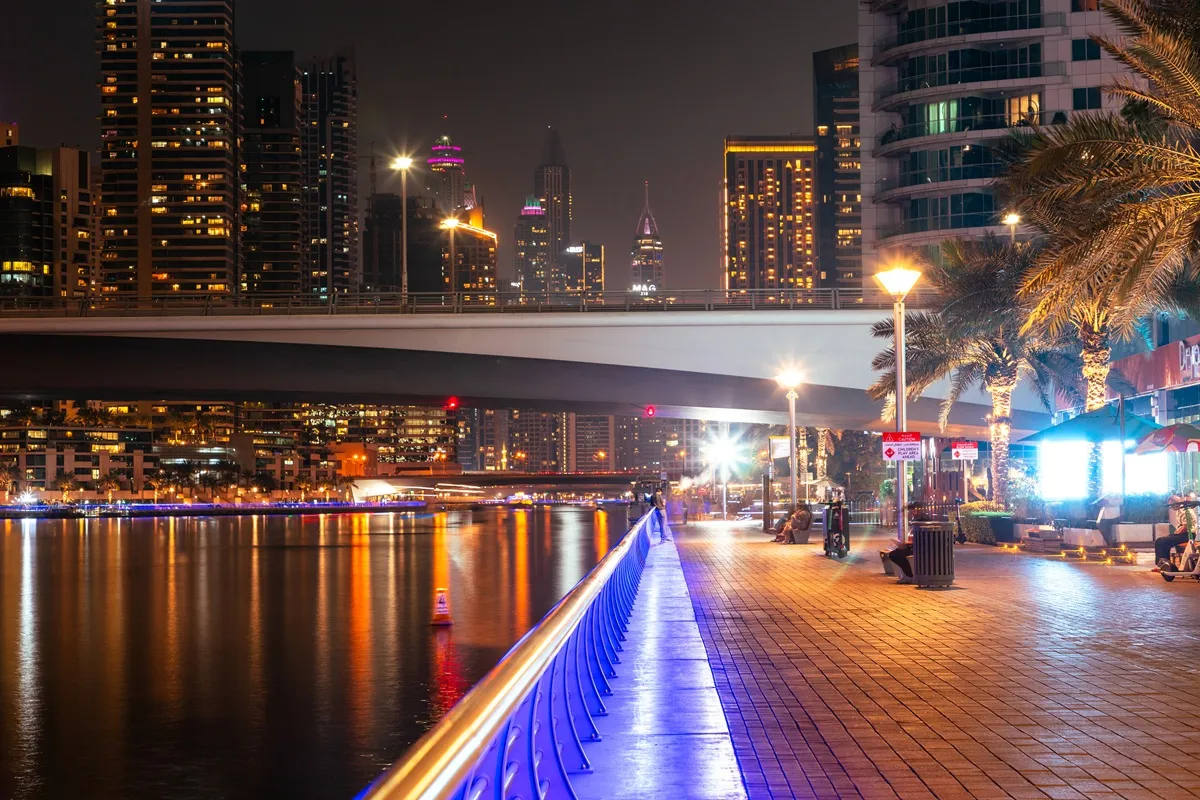
4. Dubai Marina: Waterfront Appeal with Flexible Rental Strategies
Expected gross yields: ~6–7%
Dubai Marina benefits from both long-term tenants and short-term rental demand, giving investors flexibility in income strategies. Waterfront views, walkability, and lifestyle amenities sustain strong occupancy levels.
However, higher purchase prices and service charges can compress net yields if costs are not carefully managed.
ROI considerations:
a) Higher service charges than suburban areas
b) Short-term rentals increase gross income but raise operating costs
c) Strong resale liquidity offsets slightly lower yields
Best suited for: Hybrid investors combining income with asset liquidity.
5. International City & Dubai Silicon Oasis: Budget-Friendly Yield Leaders
Expected gross yields: ~8–10%+
For investors focused purely on income, budget and emerging communities like International City and Dubai Silicon Oasis (DSO) often deliver some of the highest gross yields in Dubai.
Lower entry prices significantly increase yield ratios, although tenant profiles tend to be more price-sensitive, and management quality plays a critical role in protecting net returns.
ROI considerations:
a) Higher tenant turnover risk
b) Careful tenant screening required
c) Service charges are typically low, supporting strong net yields
Best suited for: Income-maximising investors comfortable with hands-on management.
Gross vs Net Yields: Why Costs Matter
Two properties with identical gross yields can deliver very different net returns once costs are considered. Investors should account for:
a) Service charges (especially in waterfront and high-rise towers)
b) Maintenance and sinking fund contributions
c) Property management fees
d) Vacancy and leasing downtime
In some cases, a 7% gross yield in a low-cost community can outperform an 8% gross yield in a high-service-charge building.
Trader vs Long-Term Landlord: Different ROI Mindsets
Short-term / trader approach:
a) Focus on off-plan pricing and resale gains
b) Rental income is secondary
c) More sensitive to market cycles
Long-term landlord approach:
a) Focus on steady rental cash flow
b) Prioritise occupancy and tenant quality
c) Less exposed to price volatility
High-yield zones like JVC and budget communities typically favour long-term landlords, while areas like Dubai Marina allow more hybrid strategies.
Final Thoughts
Dubai’s rental market in 2026 continues to offer attractive ROI opportunities, but returns vary significantly by location, cost structure, and investment strategy.
High gross yields are important — but net income, service charges, and tenant stability ultimately determine long-term success. Investors who align location choice with their income strategy are best positioned to benefit from Dubai’s evolving property landscape.
FAQs: High ROI Property Investment in Dubai
1. Which area gives the highest rental yield in Dubai?
Budget-friendly communities such as International City and Dubai Silicon Oasis often deliver some of the highest gross yields, though returns depend on tenant quality and management.
2. What is a good rental yield in Dubai in 2026?
In 2026, gross rental yields between 6% and 9% are considered strong, depending on location, service charges, and occupancy levels.
3. Is gross yield or net yield more important for investors?
Net yield is more important, as it reflects actual income after service charges, maintenance, and vacancy costs.
4. Are high-yield areas riskier investments?
Higher-yield areas may carry greater tenant turnover or management risk, but careful unit selection and screening can significantly reduce this.
5. Is short-term rental better than long-term leasing for ROI?
Short-term rentals can increase gross income but often involve higher costs and management effort. Long-term leasing offers more predictable cash flow.
By Marium Arsalan (Content Contributor for Performist Pte Ltd)