Dubai Real Estate in 2025: Safe, Lucrative, and Investor-Friendly
Published 8 months ago
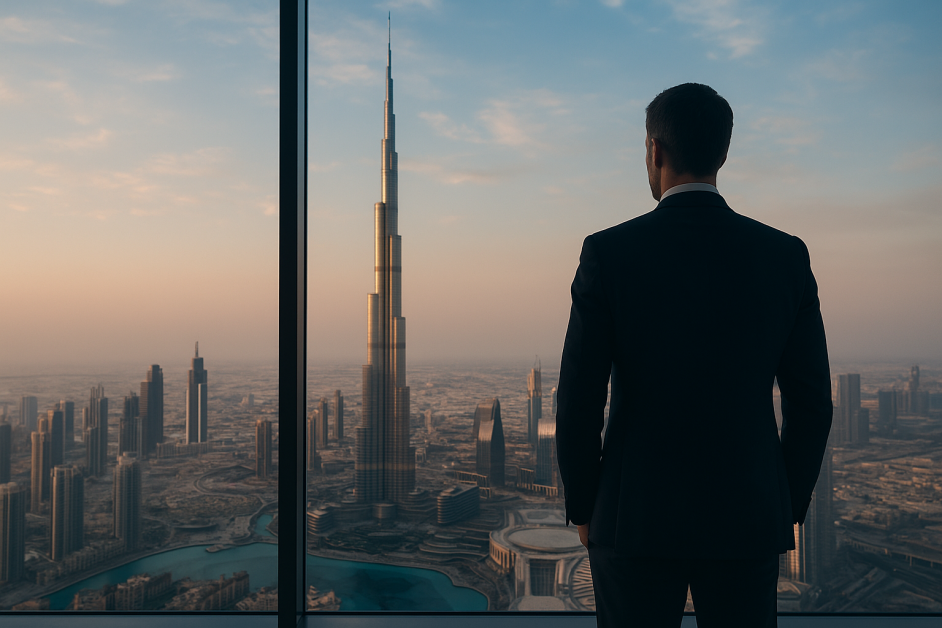
Discover why Dubai has become the safest and most profitable real estate market for global investors — from tax-free returns to flexible ownership and Golden Visa benefits.
By Marium Arsalan (Content Contributor for Performist Pte Ltd)
Over the past decade, Dubai has evolved from a regional hub into a global real estate powerhouse — attracting investors from London to Mumbai, and from Singapore to New York.
With its tax-free income, unmatched luxury lifestyle, investor-friendly regulations, and strong property appreciation, Dubai is now ranked among the top 5 safest cities in the world for real estate investment.
As the world navigates economic uncertainty, more investors are finding stability — and impressive returns — in Dubai’s dynamic property market.
Why Dubai Stands Out for Global Investors
Dubai offers something rare in today’s global landscape: security, growth, and transparency.
Here’s what makes it irresistible to international buyers:
No property tax, no capital gains tax — meaning your profits are fully yours.
100% foreign ownership — across most freehold zones.
High ROI — rental yields between 6–9%, among the world’s best.
Currency stability — the UAE dirham is pegged to the US dollar.
World-class infrastructure and demand — consistent population growth, global connectivity, and tourism.
For investors seeking safety and long-term appreciation, Dubai’s property market remains a stronghold — resilient even during global downturns.
Ideal Property Options for International Buyers
Dubai’s real estate market is diverse and designed to welcome global capital.
Foreign investors can explore:
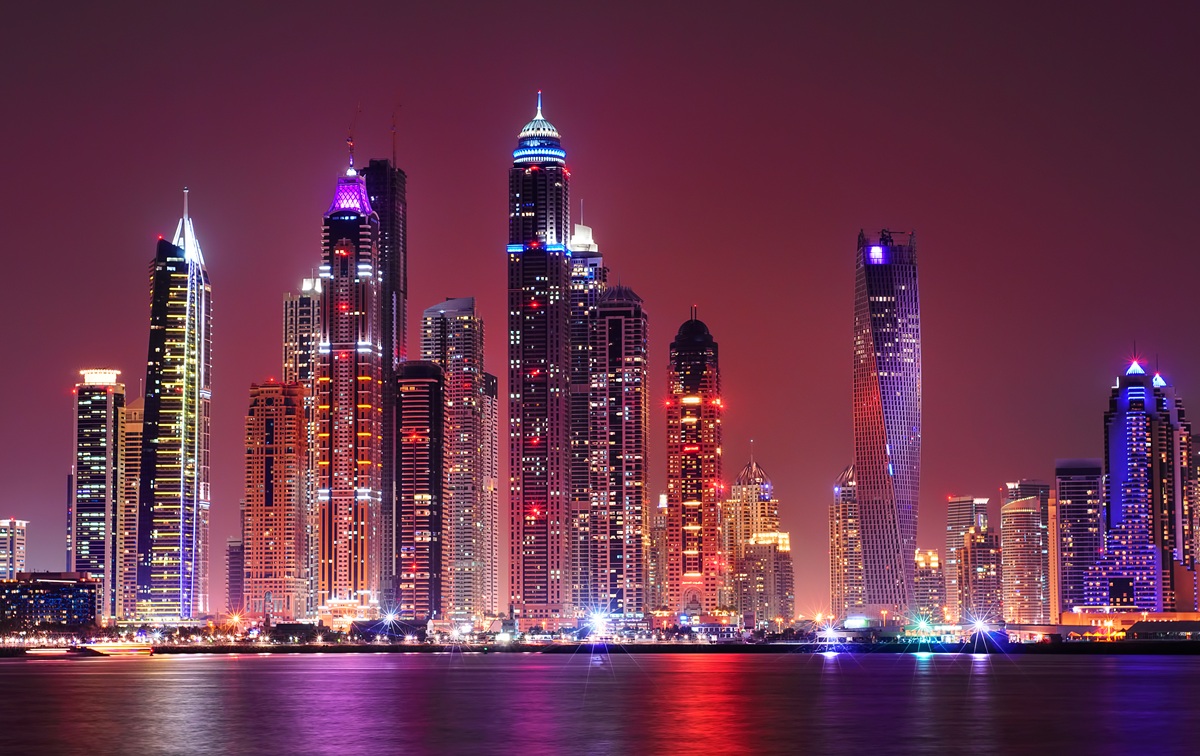
Luxury waterfront apartments in Downtown Dubai, Dubai Marina, or Palm Jumeirah.
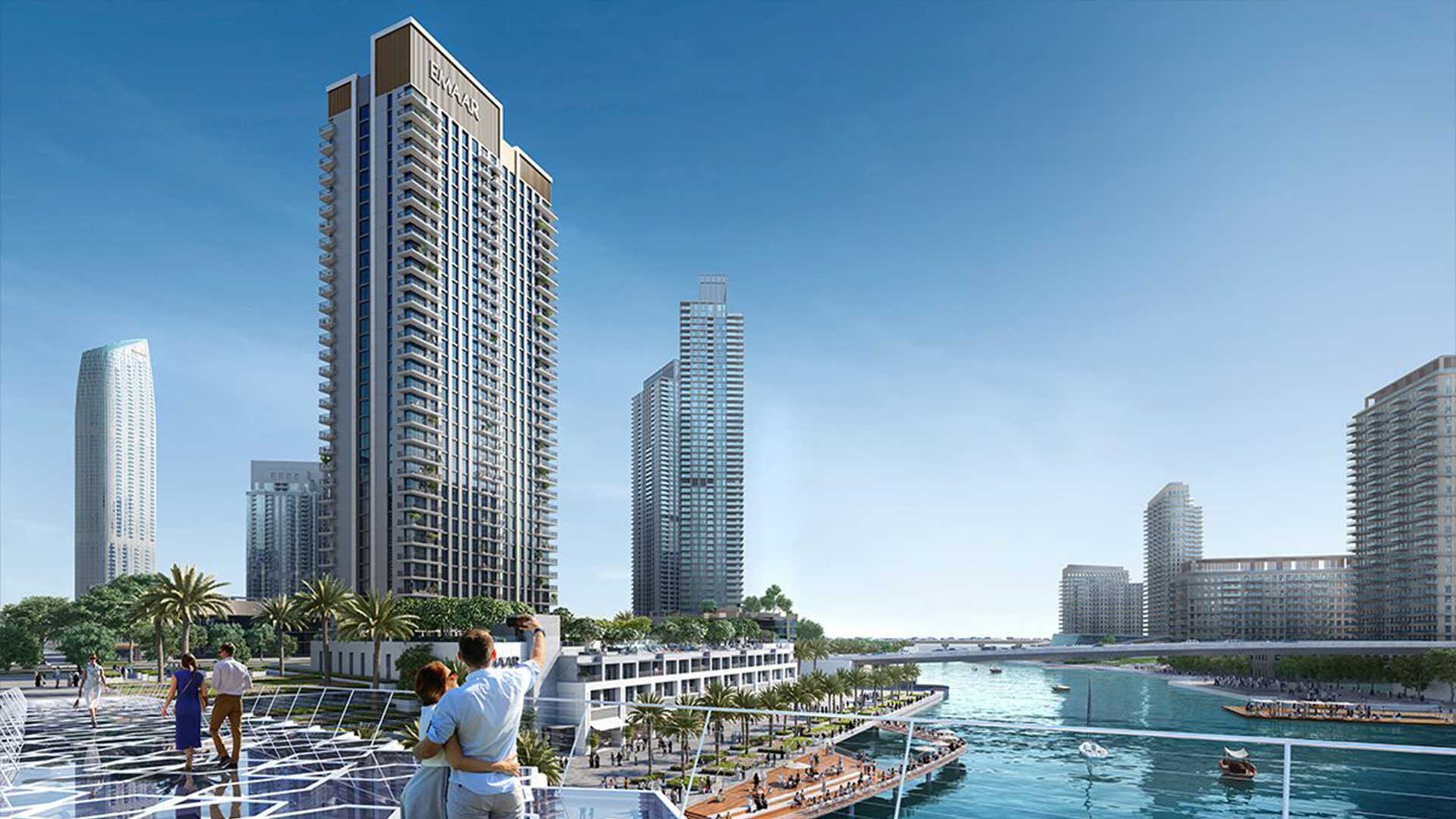
Off-plan projects by developers like Emaar, Sobha, and Danube with flexible post-handover payment plans.
Vacation homes or short-term rental properties near Dubai Hills or JBR, offering lucrative Airbnb potential.
Commercial spaces and branded residences, appealing to long-term business investors.
Unlike many global cities, Dubai’s property ownership framework is simple, transparent, and digitalized — making investment easy even from abroad.
Step-by-Step: How Foreigners Can Buy Property in Dubai
Investing in Dubai as a non-resident is surprisingly straightforward. Here’s the typical process:
Step 1 – Choose the Right Property
Select a freehold area (like Business Bay, Downtown, JVC, or Meydan). Decide whether you want a ready property for rental income or off-plan for long-term appreciation.
Step 2 – Verify Developer and Project
Always buy through a RERA-registered agent and confirm the project’s DLD (Dubai Land Department) approval.
Step 3 – Make the Initial Payment
Developers typically require 10–20% down payment to reserve the property.
Step 4 – Complete the Sale Agreement
Sign the Sale and Purchase Agreement (SPA), ensuring all payment terms are clear and DLD fees (usually 4%) are understood.
Step 5 – Receive Your Title Deed
Once payments are made, you receive a digital title deed — the official proof of ownership.
You don’t need to be in Dubai to complete the purchase. Many developers and agents handle the entire process remotely.
Why Dubai Is a “Safe Haven” for Global Capital
Global investors today seek more than returns — they seek security. Dubai delivers both.
Regulated by RERA and DLD: Ensures transparency and legal protection.
Stable economy and government: Strong backing from UAE’s leadership.
Consistent appreciation: Average price growth between 7–12% annually in prime zones.
Global investor-friendly policies: Long-term visas for property owners (from 2 to 10 years).
Thriving demand: Driven by professionals, expatriates, and tourism inflows.
In short, Dubai combines Western-level regulation with Middle Eastern-level opportunity — a rare mix for investors worldwide.
Investment Benefits Beyond Profit
Dubai isn’t just about property — it’s about lifestyle and legacy.
Property ownership can unlock:
Golden Visa eligibility for investments above AED 2 million.
Residency benefits for family members.
Easy repatriation of funds — no restrictions on sending profits abroad.
Prestige and global connectivity — a home in one of the world’s most cosmopolitan cities.
For many investors, Dubai represents a second home and a long-term base in one of the world’s fastest-growing economies.
Smart Investment Strategies for 2025
To maximize gains in Dubai’s evolving market:
Buy off-plan early for strong appreciation before handover.
Diversify between short-term rentals and long-term tenants.
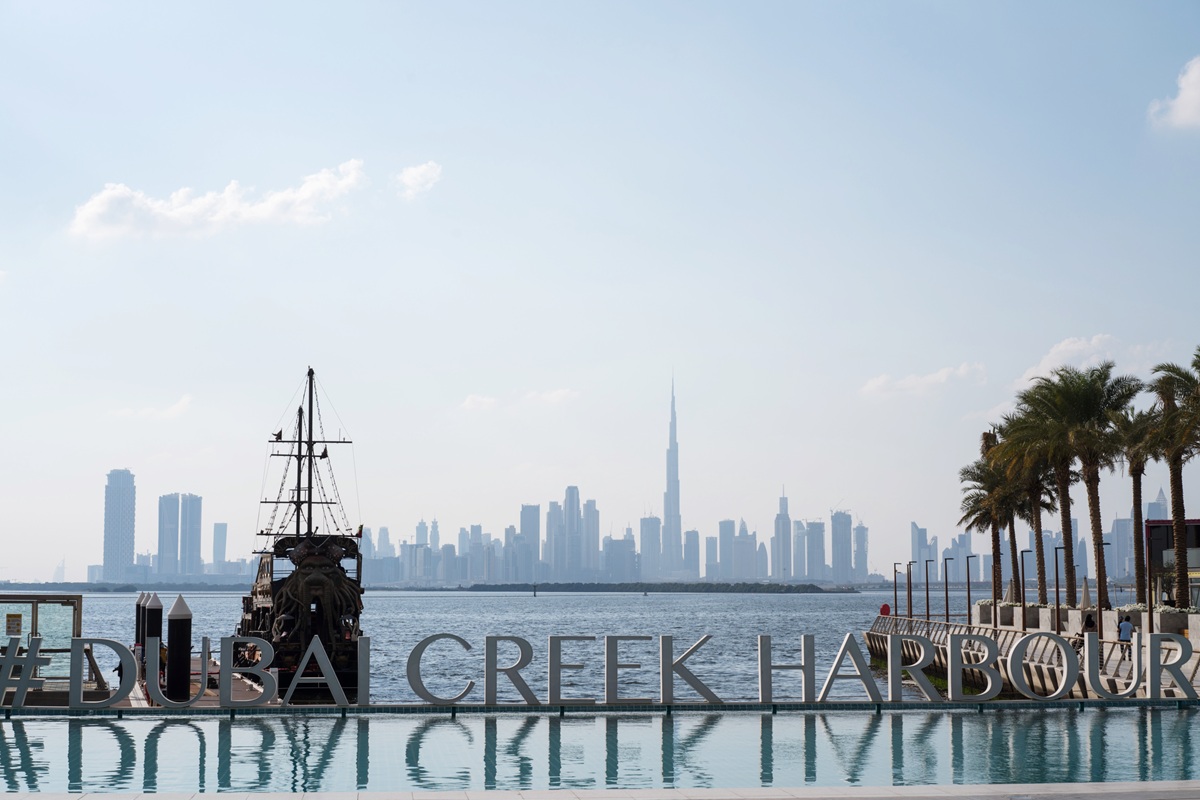
Explore emerging communities like Dubai Creek Harbour, MBR City, and Jumeirah Village Circle.
Collaborate with local brokers who understand regulations and yield patterns.
With Expo City, new metro expansions, and steady tourism growth, 2025 is set to be another powerful year for Dubai real estate.
Final Thoughts: Dubai Is Built for Global Investors
Dubai’s property market continues to outperform expectations, offering what most investors seek: high returns, security, and simplicity.
While many global markets are tightening under taxes and inflation, Dubai stands tall as a low-risk, high-reward destination — where your investment not only grows but also gives you a global footprint.
If you’ve ever considered international real estate, Dubai is the place where your money works harder, faster, and safer than almost anywhere else.
FAQs: Investing in Dubai Property as a Global Investor
1. Can foreigners buy property in Dubai?
Yes — foreigners can buy, own, and sell property freely in Dubai’s designated freehold areas such as Downtown Dubai, Business Bay, Dubai Marina, Palm Jumeirah, and Dubai Hills Estate.
Ownership is 100% legal and registered under your name with the Dubai Land Department (DLD), giving you full rights just like UAE residents.
2. What is the minimum investment required to buy property in Dubai?
There’s no official minimum, but most developers require at least AED 500,000 to AED 1 million for off-plan or ready properties.
For investors targeting the Golden Visa, a minimum investment of AED 2 million in property is required.
3. What is the Dubai Golden Visa and how can property investors qualify?
The UAE Golden Visa offers 5 to 10 years of renewable residency for investors, entrepreneurs, and skilled professionals.
Property investors qualify if:
They invest AED 2 million or more in real estate.
The property is fully paid (not under mortgage).
It is not jointly owned with a loaned portion exceeding 50%.
This visa allows you to live, work, and sponsor your family in the UAE — making it one of the most attractive incentives for international investors.
4. What kind of returns (ROI) can foreign investors expect in Dubai?
Dubai offers some of the highest rental yields globally, averaging 6–9% annually depending on location and property type.
For example:
Studio and 1-bedroom units in Business Bay or JVC: ~8%
Premium waterfront apartments in Dubai Marina or Palm Jumeirah: ~6%
Additionally, off-plan properties can appreciate by 20–30% by completion, providing strong capital growth potential.
5. Do I need to be in Dubai to buy property?
No — the entire process can be completed remotely.
Developers and brokers offer secure digital purchase agreements, e-signatures, and online title deed registration through the Dubai Land Department’s portal.
Funds can be transferred from abroad, and all documentation can be verified electronically.
6. Can I get a mortgage as a foreign investor in Dubai?
While mortgages are easier for UAE residents, some banks do provide non-resident mortgage options.
Typically, you’ll need:
A down payment of at least 25–35%,
Proof of stable income,
And valid identification documents.
However, many international investors prefer off-plan projects with developer payment plans, which often don’t require a mortgage.
7. What taxes or fees apply when buying property in Dubai?
Dubai’s market is tax-free — there’s no annual property tax or capital gains tax on resale.
However, you will pay:
4% DLD transfer fee,
Agency commission (2%),
Oqood registration (for off-plan properties).
Once paid, you fully own the property without recurring government taxes.
8. What are the best areas for foreign investors to buy in 2025?
The top-performing communities for international buyers include:
Dubai Creek Harbour – rising luxury waterfront hub.
Business Bay – commercial and residential mix with strong rental demand.
Dubai Marina – consistent short-term rental income.
Meydan and MBR City – fast-growing, high ROI off-plan zones.
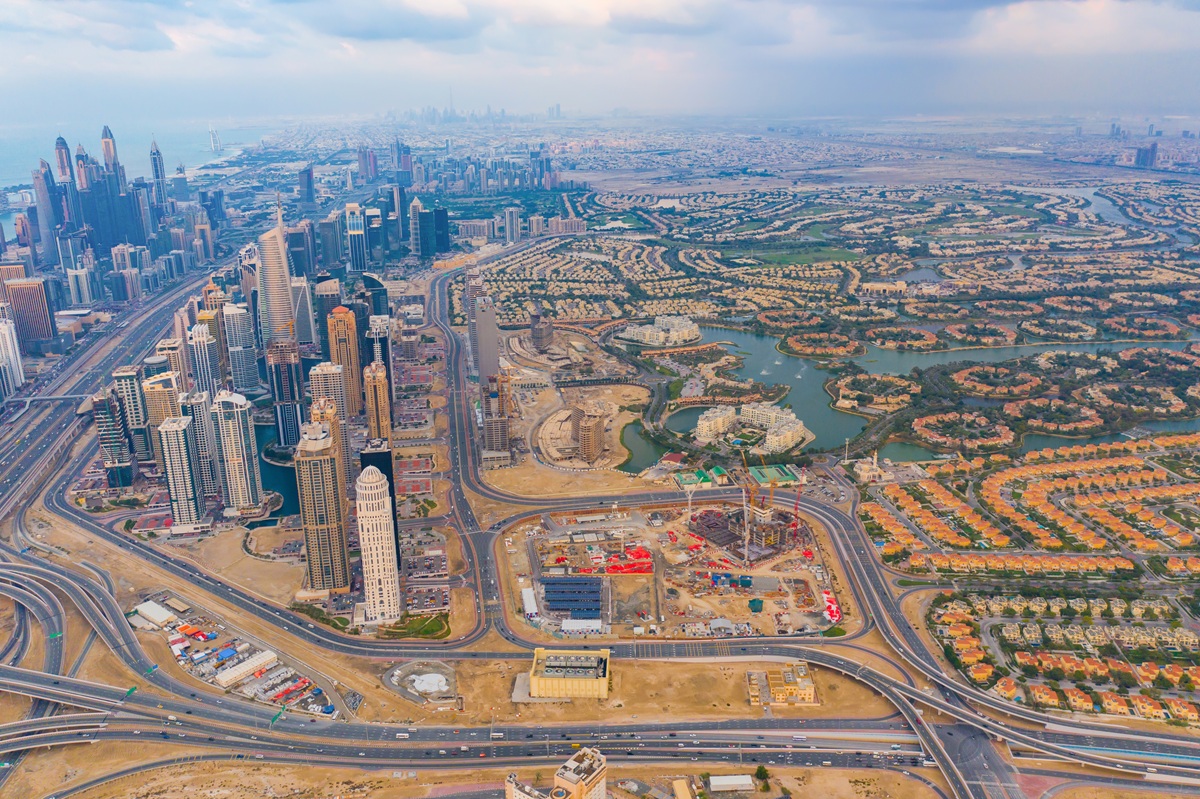
Jumeirah Village Circle (JVC) – affordable entry point with strong yields.
9. How secure is property ownership in Dubai?
Dubai’s real estate sector is governed by RERA (Real Estate Regulatory Agency) and the Dubai Land Department, ensuring transparency, escrow protection for off-plan payments, and verified developer registrations.
This makes Dubai one of the safest and most regulated property markets in the world.
10. Can I rent out my property as a foreign investor?
Absolutely.
You can choose between long-term rentals or short-term vacation rentals (Airbnb-style).
Dubai’s tourism-driven demand ensures consistent occupancy, especially near Downtown, Marina, and JBR.
Property management companies can handle the entire process for overseas investors.
11. Is it easy to sell a property later if I want to exit?
Yes. Dubai has a highly liquid resale market, supported by international buyers year-round.
You can list with licensed brokers or directly through developers’ resale departments.
For off-plan properties, some developers even allow reselling before handover, depending on the payment progress.
12. What makes 2025 an ideal year to invest in Dubai real estate?
Global economic shifts are pushing investors toward stable, tax-free markets.
Dubai continues to show steady growth and rising property values.
Developers are offering innovative post-handover plans and zero-commission deals.