
Dubai Property Evaluation Guide 2026: Guide for First-Time Investors
Published 2 months ago

Property valuation is a concept that is unclear and misleading, so today we will understand it in detail.
The real estate market in Dubai is evolving with upcoming projects it is shaping to be one of the world’s most transparent and investor-friendly property ecosystems. But whether you are buying an apartment in Downtown Dubai, investing in off-plan projects, applying for a mortgage, or securing a UAE Golden Visa, one term becomes extremely important, which is property valuation.
Generally, property investors confuse valuation with market price, or the price listed by the developer. Whereas it means something different, and this property valuation is a regulated framework supervised by the authorities to ensure transparency, fair lending, legal compliance, and investor protection, and it is equally important for banks or luxury investors.
So today, we will understand more about property valuation in Dubai and all its details. This detailed guide explains everything investors need to know about Property Valuation in Dubai in 2026.
What Is Property Valuation in Dubai?
Property valuation is an official assessment that determines the current market value of a property at a specific time. In Dubai, valuations are conducted by RERA-approved valuation companies or valuers regulated under the Dubai Land Department framework.

A valuation report is not a real estate agent’s opinion, the asking price by a developer, nor a seller’s expected price. On the contrary, it is a data-driven report based on recent comparable sales, property condition, location, building quality, rental performance, market demand, floor level and view, community infrastructure, and future development potential. The final valuation becomes an official legal and financial reference; the value of a property is then deduced according to these circumstances. The seller can set a price based on their ROI expectations, but it does not necessarily match the property's valuation. It can be higher or lower than the evaluated worth.
In any case, the property valuation directly affects mortgage approvals, Golden Visa eligibility, Off-plan investments, property resale value, rental income analysis, legal disputes, Investor confidence, insurance claims and inheritance matters.
Why Property Valuation Matters for Investors
While many first-time investors only think about valuation during mortgage approval, in Dubai, valuations influence almost every major property transaction, for instance.
- Mortgage Approval: Banks in Dubai lend mortgages according to the valuation process based on the official valuation report and not based on the property’s advertised price. For example, if the seller price is AED 2.5 million, but the valuation is AED 2.2 million, then bank finances are based on AED 2.2 million. This directly affects your down payment amount.
- Golden Visa Eligibility: For a UAE Golden Visa property investor, the property must meet minimum valuation requirements, for which the government recognises the assessed market value, and not social media pricing or broker estimates. As of 2026, the property value requirement is AED 2 million+, with a valuation certificate accepted by authorities.
- Off-Plan Property Evaluation: Off-plan property valuation processes in Dubai have become increasingly important because investors now purchase properties years before completion. This helps determine market appreciation potential, construction-linked pricing, future mortgage eligibility, resale profitability, and developer credibility.
- Rental Yield & ROI Analysis: Professional investors also use valuations to calculate real rental yield, net return on investment, future appreciation probability, and cash flow projections. Without valuation data, ROI calculations become unreliable.
How Does the Mortgage Valuation Process in Dubai Work?

- Step 1: Bank Appoints a Valuer: The bank selects a RERA-approved valuation company.
- Step 2: Site Inspection: The valuer checks building condition, finishing quality, community status, maintenance, view and layout.
- Step 3: Market Comparison: The property is compared against recent sales, similar units, rental rates, and market demand
- Step 4: Valuation Report Issued: The bank receives an official valuation report and calculates financing eligibility accordingly.
Property Valuation Dubai Cost 2026
The cost varies depending on property type and purpose. The average residential valuation cost is estimated as follows,
- Apartments: AED 2,500–5,000
- Villas: AED 3,500–7,000
- Commercial properties: AED 5,000–15,000+
Application Process For Property Valuation
- Option 1: Through DLD, directly apply via the Dubai REST App, DLD service centres, or Authorised trustee centres
- Option 2: Through RERA-Approved Valuation Firms. Examples include: Credence & Co., AARCA Property Valuers, and ATF Valuation. There is a RERA-approved valuation companies list 2026 authorised to perform official appraisals.
Who Regulates Property Valuation in Dubai?
Dubai’s valuation system is supervised primarily by:
- Dubai Land Department (DLD): The primary real estate authority overseeing relevant matters. The DLD also issues official valuation certificates recognised by courts, banks, immigration authorities, and government entities.
- Real Estate Regulatory Agency (RERA): It regulates real estate brokers, developers, property valuation professionals, valuation standards, compliance and licensing. All authorised valuers must comply with RERA regulations.
What Is the DLD Valuation Certificate & Fees?

The DLD valuation certificate, commonly called the Taqeemi Certificate, is an official document to confirm a property’s fair market value. It includes property details, market value, QR verification, official registration number, valuation methodology, and government authentication. This certificate is mandatory for certain mortgage approvals, Golden Visa applications, court disputes, gift transfers, inheritance settlements, and company audits.
According to DLD-regulated structures, residential units often start around AED 4,000, vacant land valuations begin near AED 2,000, and the cost of large commercial assets can be significantly more, along with some additional knowledge.
How to Get RERA Property Valuation
Usually, investors need to produce
- Emirates ID or passport
- Title deed or Oqood certificate
- Property details
- Floor plan (sometimes)
- Utility bill (if applicable)
Frequently Asked Questions:
1. How to check the value of a property in Dubai?
Ans) To check a property’s value, investors commonly use the transaction records, RERA valuation tools, recent market comparisons, certified valuators, and property portals. Factors like location, amenities, developer reputation, and rental yield strongly affect valuation.
2. Is it better to rent or buy property in Dubai?
Ans) Renting offers flexibility and lower upfront costs, while buying helps build long-term assets and investment returns. The better option depends on budget, visa plans, lifestyle stability, and whether you seek short-term convenience or long-term wealth creation.
3. What Is the RERA Rental Index?
Ans) The Rental Index is a Dubai government tool that shows average rental values across different areas and property types. It helps landlords and tenants determine fair rent increases and ensures transparency in Dubai’s real estate rental market.
4. How much does property valuation cost in Dubai?
Ans) Property valuation costs usually range between AED 2,500 and AED 5,000, depending on property type, size, and valuation purpose. Mortgage-related valuations, luxury villas, and commercial properties may cost more through RERA-approved valuation companies and consultants.
What Factors Increase Property Valuation in Dubai?
- Location: Prime areas generally command higher valuations; places like Downtown Dubai, Dubai Marina, Palm Jumeirah, Business Bay, and DIFC are some examples.
- Metro Connectivity:Properties near the Dubai Metro often receive stronger valuations due to commuter convenience, higher rental demand, and lower transportation dependency.
- View and Floor Level: Sea view, Burj Khalifa view, golf-course view, and higher floors often increase valuation significantly.
- Building Quality: properties with premium amenities, such as pools, gyms, concierge services, smart-home systems, and branded residences, raise market value.
- Rental Performance: Properties with strong occupancy and stable rental returns are highly attractive to investors and valuers.
- Ignoring Service Charges: High service charges reduce net yield and can impact valuation perception.
- Overestimating Appreciation: Some investors assume all Dubai areas appreciate equally. Valuation reports often reveal large differences between communities.
- Not Verifying Valuer Credentials: Always use RERA-approved valuation companies.
Off-Plan Property Valuation Dubai Guide
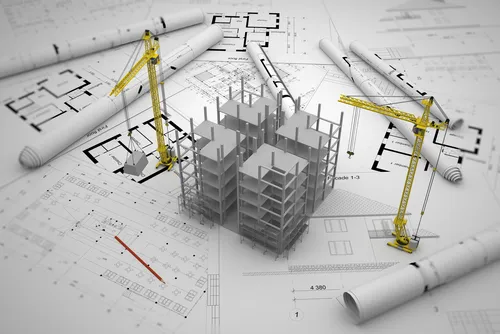
Off-plan property valuation differs from ready-property valuation because the unit is not yet physically complete. So the valuers should consider developer reputation, construction stage, payment plan structure, comparable future inventory, community growth potential, and Infrastructure development.
Dubai’s off-plan market is especially attractive because of the lower launch prices, flexible payment plans, and potential appreciation before handover. But valuation becomes crucial to avoid overpaying for speculative pricing.
The Future of Property Valuation in Dubai
Dubai’s real estate market is becoming increasingly data-driven. In 2026, valuation systems are evolving through digital property records, AI-driven market analytics, tokenised property systems, automated transaction tracking, and real-time market transparency initiatives.
Dubai’s new property resale reforms and digital innovation initiatives are expected to further modernise the valuation ecosystem.
Final Thoughts
Property valuation in Dubai is no longer just a technical banking process; it has become the foundation of smart real estate investing. So be it, investing for ROI, buying a first-time apartment, applying for a Golden Visa, or investing in off-plan property, understanding valuation helps protect your capital and improve investment decisions.
With Dubai’s regulated framework, they have created one of the Middle East’s most transparent valuation ecosystems. For modern investors, valuation is not merely paperwork. It is the language through which Dubai’s real estate market measures trust, opportunity, and future growth.
If you want to know more about Dubaispaces, regulations, and new developments related to the real estate market in Dubai, stay tuned.
By P. Manika (Performist Content Writer)