Investment ROI in Downtown Dubai vs Palm Jumeirah (2025 Guide)
Published 6 months ago
Compare investment ROI in Downtown Dubai vs Palm Jumeirah for 2025. Learn about rental yields, capital growth, risks, and investor suitability.
Dubai’s real estate market continues to attract both residents and international investors, but when it comes to maximizing return on investment (ROI), not all prime locations perform the same way. Two of the most frequently compared destinations—Downtown Dubai and Palm Jumeirah—sit at the top of the market, yet they offer very different investment outcomes.
This article provides a clear, strategy-driven comparison of ROI in Downtown Dubai vs Palm Jumeirah in 2025, helping investors understand where returns come from, what risks to consider, and which area aligns better with specific investment goals. While the focus is on 2025, the trends discussed remain relevant for investors planning into 2026.
Who This Comparison Is For
This guide is designed for:
- UAE residents considering property investment for rental income or long-term wealth
- First-time investors evaluating risk versus return
- Overseas buyers comparing central Dubai assets with luxury waterfront properties
Rather than focusing on promotional pricing or short-term hype, this analysis looks at real-world investor outcomes, liquidity, and sustainability of returns.
Understanding ROI in Dubai Real Estate
Before comparing locations, it’s important to define what ROI means in the Dubai context.
For most investors, ROI comes from:
- Rental yield (annual rental income vs purchase price)
- Capital appreciation (property value growth over time)
- Liquidity (how easily the property can be sold)
Dubai’s market has additional layers, including short-term rentals, tourism-driven demand, off-plan supply, and service charges—all of which directly affect net returns.
Dubai Real Estate Market Snapshot (2024–2025 Context)
Between 2024 and 2025, Dubai’s property market has been shaped by:
- Continued population growth and job creation
- Strong interest from foreign investors
- High demand for established, well-connected communities
Central districts such as Downtown Dubai benefit from transaction volume and year-round demand, while prime waterfront destinations like Palm Jumeirah are influenced by luxury buyer sentiment and limited supply. These structural differences explain why ROI behaves differently in each location.
Downtown Dubai: ROI Driven by Consistent Demand
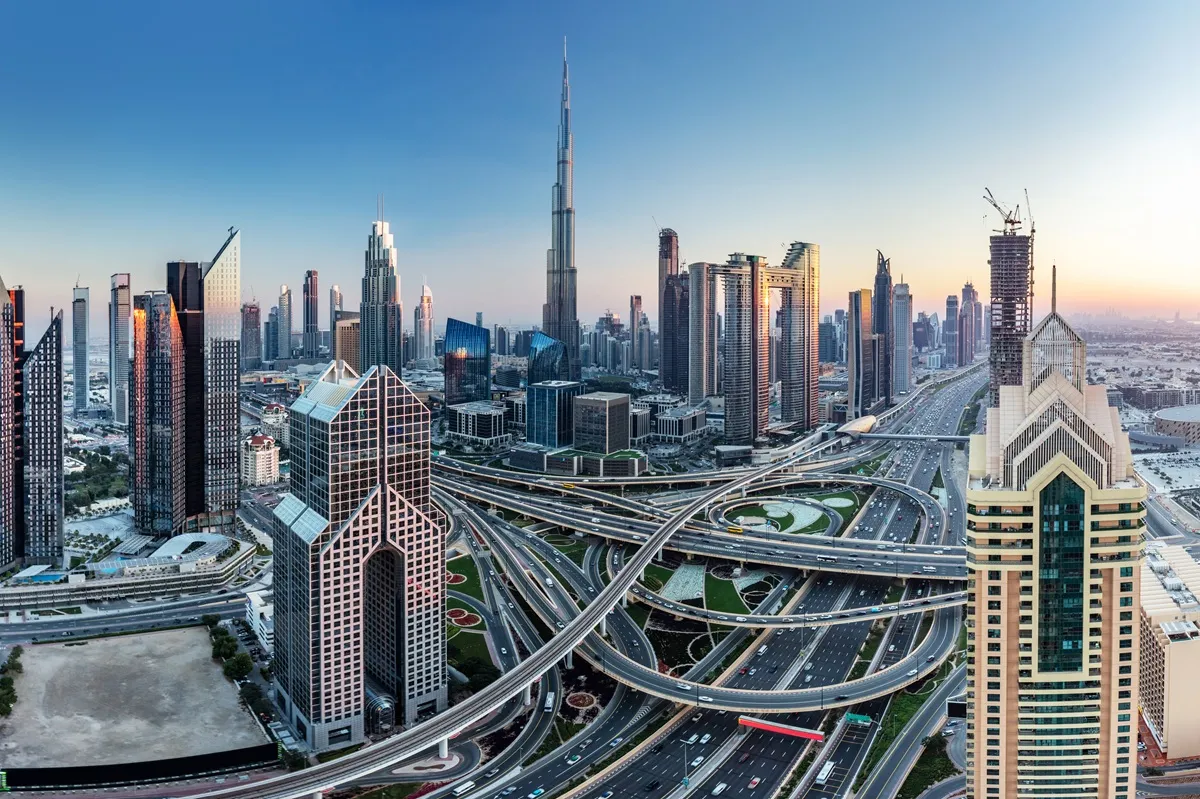
1. Overview
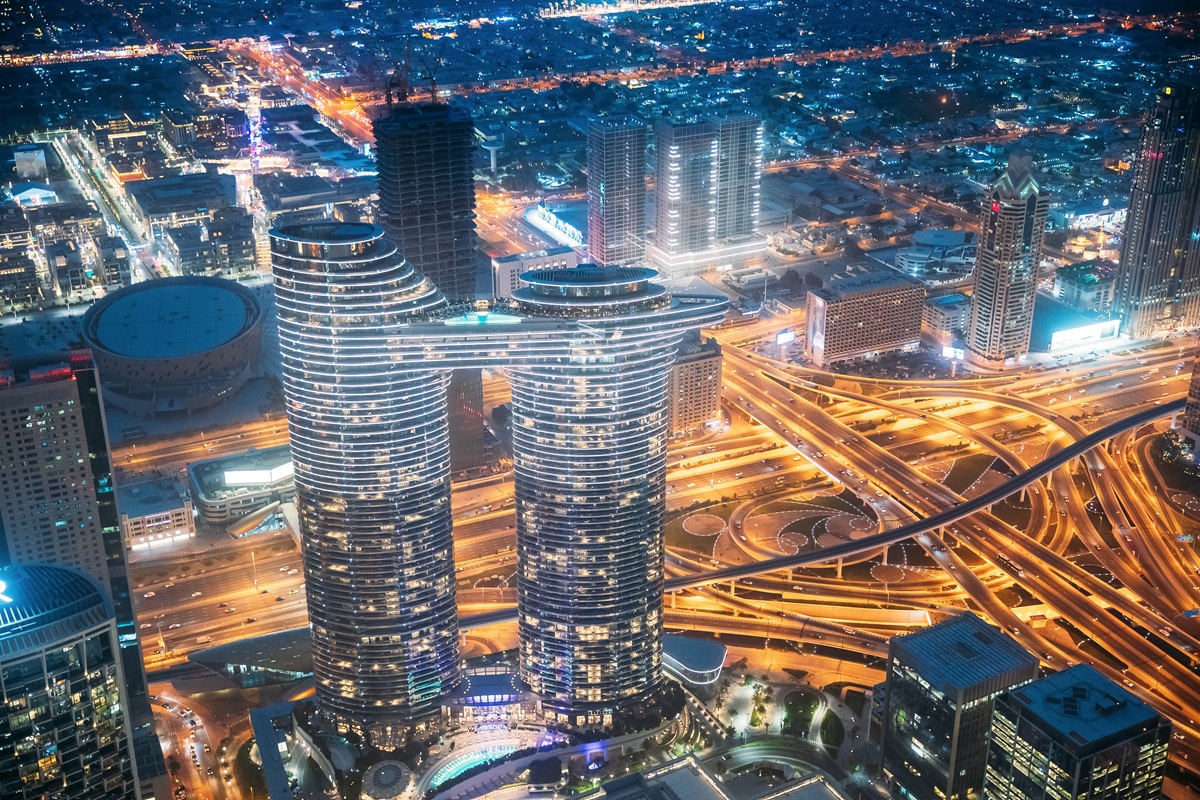
Downtown Dubai is the city’s commercial and tourism heart, home to Burj Khalifa, Dubai Mall, and a dense mix of offices, hotels, and residential towers.
2. Rental Yield Performance
Downtown typically delivers:
- Moderate but stable rental yields
- Strong demand from professionals, executives, and short-term tenants
- High occupancy due to central location
Studios and one-bedroom apartments tend to perform best, especially for investors targeting short-term or executive rentals.
Key strength: consistency rather than sharp spikes.
3. Capital Appreciation Potential
Downtown’s property prices are already relatively high, which limits explosive appreciation. However:
- The area benefits from long-term infrastructure stability
- Demand remains resilient even during market corrections
- Premium views (Burj Khalifa, fountains) maintain value better than standard units
This results in lower volatility for conservative investors.
4. Liquidity & Exit Strategy
Downtown properties:
- Sell faster than many other areas
- Appeal to both investors and end-users
- Are easier to exit during slow market phases
This makes Downtown attractive for investors who value flexibility and risk control.
Palm Jumeirah: ROI Fueled by Capital Growth & Luxury Demand
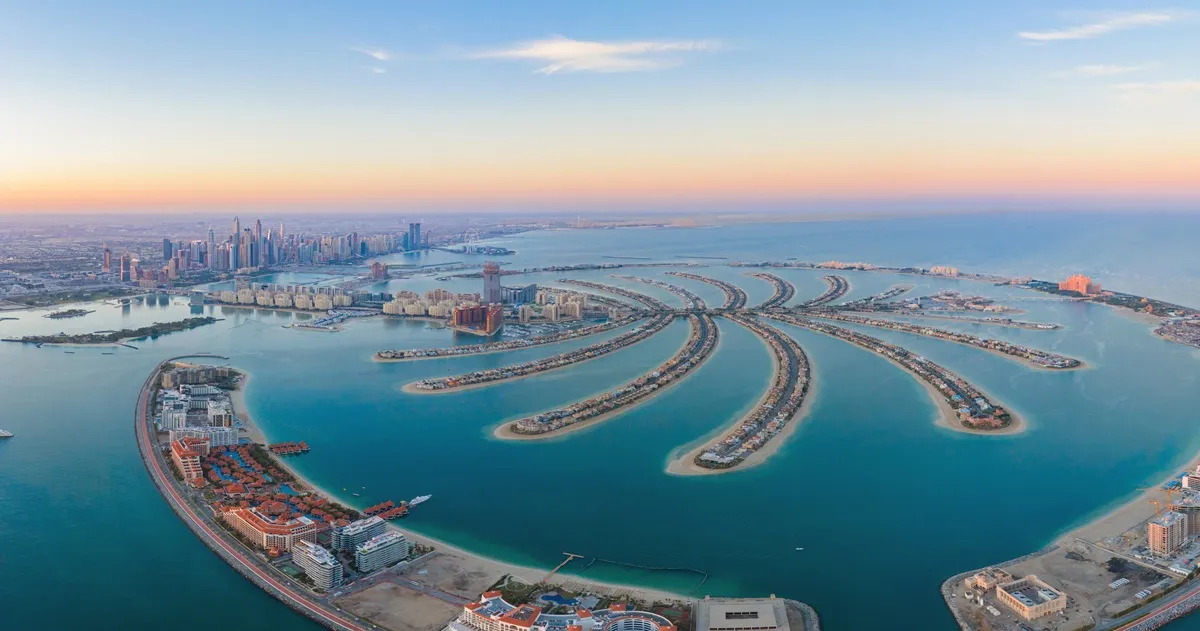
1. Overview
Palm Jumeirah operates in a different segment entirely. It is a luxury lifestyle destination, driven by beachfront living, branded residences, and international buyer demand.
2. Rental Yield Performance
Rental yields on Palm Jumeirah are:
- Generally lower on paper compared to Downtown
- Highly dependent on property type and view
- Strongly influenced by short-term and holiday rentals
Luxury units can command high nightly rates, but returns fluctuate due to seasonality and higher management costs. ROI here prioritizes premium positioning over income stability.
3. Capital Appreciation Potential
Palm Jumeirah has historically shown:
- Strong capital appreciation during upcycles
- High sensitivity to luxury buyer sentiment
- Significant price jumps for unique or branded assets
Waterfront scarcity plays a major role—there is no direct replacement for beachfront land, which supports long-term value.
4. Liquidity & Exit Strategy
Liquidity on the Palm depends on:
- Market conditions
- Property uniqueness
- Buyer profile (mostly high-net-worth individuals)
While prices can rise sharply, selling may take longer compared to Downtown, especially during slower cycles.
Downtown Dubai vs Palm Jumeirah: ROI at a Glance
Downtown Dubai
- Rental yields tend to be moderate but stable
- Capital appreciation is steady with limited volatility
- Entry prices are high but accessible to a wider investor base
- Properties are easier to sell due to strong liquidity
- Risk profile is relatively low
Palm Jumeirah
- Rental income is variable and luxury-driven
- Capital growth potential is higher but more volatile
- Entry prices are significantly higher
- Liquidity depends on market cycles and buyer sentiment
- Risk profile is higher due to luxury market exposure
Which Area Performs Better for Different Investors?
1. For First-Time Investors
Downtown Dubai is generally the safer option due to:
- Predictable rental demand
- Easier financing
- Faster resale potential
2. For Long-Term Capital Growth
Palm Jumeirah suits investors who:
- Can hold assets long-term
- Are comfortable with price cycles
- Want exposure to luxury market appreciation
3. For Short-Term Rental Strategies
Both areas perform well, but:
- Downtown benefits from year-round business travel
- Palm Jumeirah benefits from tourism peaks and premium nightly rates
Management quality becomes critical in both cases.
Key Risks Investors Often Overlook
Downtown Dubai
- Overpaying for standard units without views
- Ignoring service charges, which impact net yield
Palm Jumeirah
- Underestimating maintenance and community costs
- Assuming appreciation without considering market timing
ROI is not just about location—it’s about asset selection within that location.
How Investors Should Use This Comparison
Downtown Dubai and Palm Jumeirah should not be viewed as competing “better or worse” locations, but as tools for different investment objectives.
- Income-focused portfolios benefit from central, high-liquidity areas
- Capital-growth portfolios benefit from scarcity-driven luxury assets
Many experienced investors balance both approaches over time to optimize risk-adjusted returns.
Final Verdict: Which Area Performs Better in 2025?
For the majority of investors in 2025, Downtown Dubai delivers a more reliable and lower-risk ROI. Its consistent demand, strong liquidity, and diversified tenant base make it better suited for income-focused strategies and first-time investors.
Palm Jumeirah outperforms Downtown only in a specific scenario: long-term investors with higher capital targeting luxury-driven capital appreciation rather than immediate rental income.
In simple terms:
- If your priority is predictable income and flexibility, Downtown Dubai performs better.
- If your priority is long-term value growth and prestige assets, Palm Jumeirah can outperform—but with higher risk.
The stronger investment is not subjective. It depends entirely on whether your strategy is income stability or capital appreciation.
Frequently Asked Questions (FAQs)
1. Which area offers better rental yield: Downtown Dubai or Palm Jumeirah?
In most cases, Downtown Dubai delivers more consistent rental yields, particularly for studios and one-bedroom apartments due to strong year-round demand from professionals and short-term visitors. Palm Jumeirah rental yields can be attractive for luxury units, but income is often more seasonal and dependent on short-term rentals.
2. Is Palm Jumeirah a safe long-term investment?
Yes, Palm Jumeirah is considered a strong long-term investment, especially for investors focused on capital appreciation rather than immediate rental income. Its limited beachfront supply and global luxury appeal support long-term value, though prices can be more sensitive to market cycles.
3. Are service charges higher in Palm Jumeirah compared to Downtown Dubai?
Generally, service and maintenance charges are higher on Palm Jumeirah, particularly for beachfront buildings and villas. Investors should factor these costs into net ROI calculations, as they can significantly impact annual returns.
4. Which location is better for short-term rentals?
Both areas perform well for short-term rentals, but the target audience differs:
a) Downtown Dubai attracts business travelers and city tourists throughout the year.
b) Palm Jumeirah attracts holidaymakers seeking beachfront and luxury experiences, with stronger seasonal peaks.
5. Is Downtown Dubai a good option for first-time property investors?
Yes, Downtown Dubai is often suitable for first-time investors due to its stable rental demand, strong liquidity, and easier exit strategy. It offers lower risk compared to luxury-focused markets like Palm Jumeirah.
6. Does capital appreciation outperform rental income in Palm Jumeirah?
In many cases, yes. Palm Jumeirah investments tend to rely more on capital appreciation than rental yield. Investors often benefit from long-term price growth, especially for unique or waterfront properties, rather than purely rental income.
7. How do market cycles affect ROI in these two areas?
a) Downtown Dubai is more resilient during market slowdowns due to diversified demand.
b) Palm Jumeirah can experience sharper price movements, both upward and downward, as it is more influenced by luxury buyer sentiment and global economic conditions.
8. What type of property performs best in Downtown Dubai?
Studios and one-bedroom apartments with strong views (Burj Khalifa or fountains) generally offer better occupancy rates and resale potential than larger units.
9. Should investors prioritize ROI or lifestyle benefits in Palm Jumeirah?
Palm Jumeirah investors often balance both. While ROI is important, many buyers also value lifestyle use, exclusivity, and long-term prestige, which plays a role in investment decisions in luxury markets.
10. Can residents get mortgages for properties in both areas?
Yes, UAE residents can obtain mortgages for properties in both Downtown Dubai and Palm Jumeirah, subject to bank eligibility, property type, and down payment requirements.
By Marium Arsalan (Content Contributor for Performist Pte Ltd)