The Unstoppable Momentum: Decoding the Dubai Real Estate Property Market
Published 9 months ago
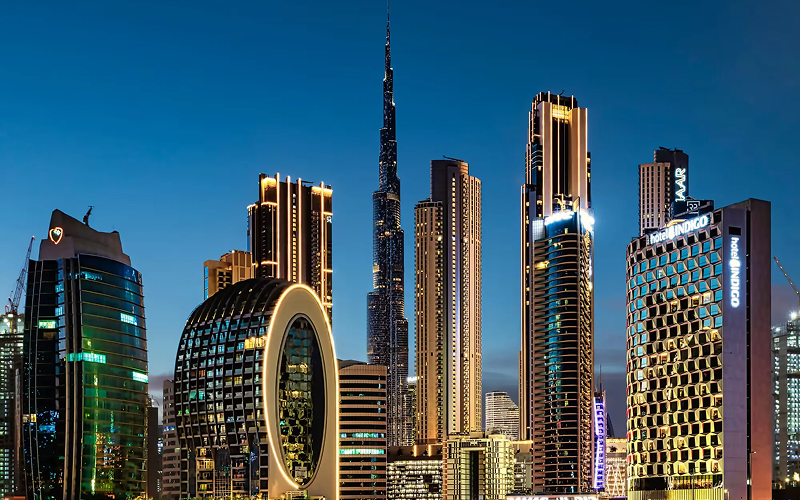
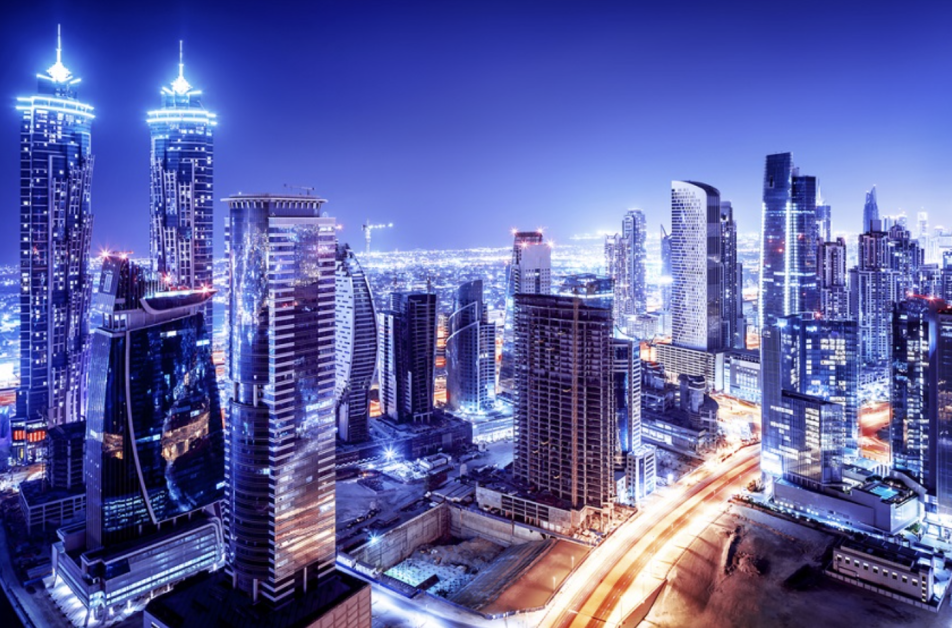
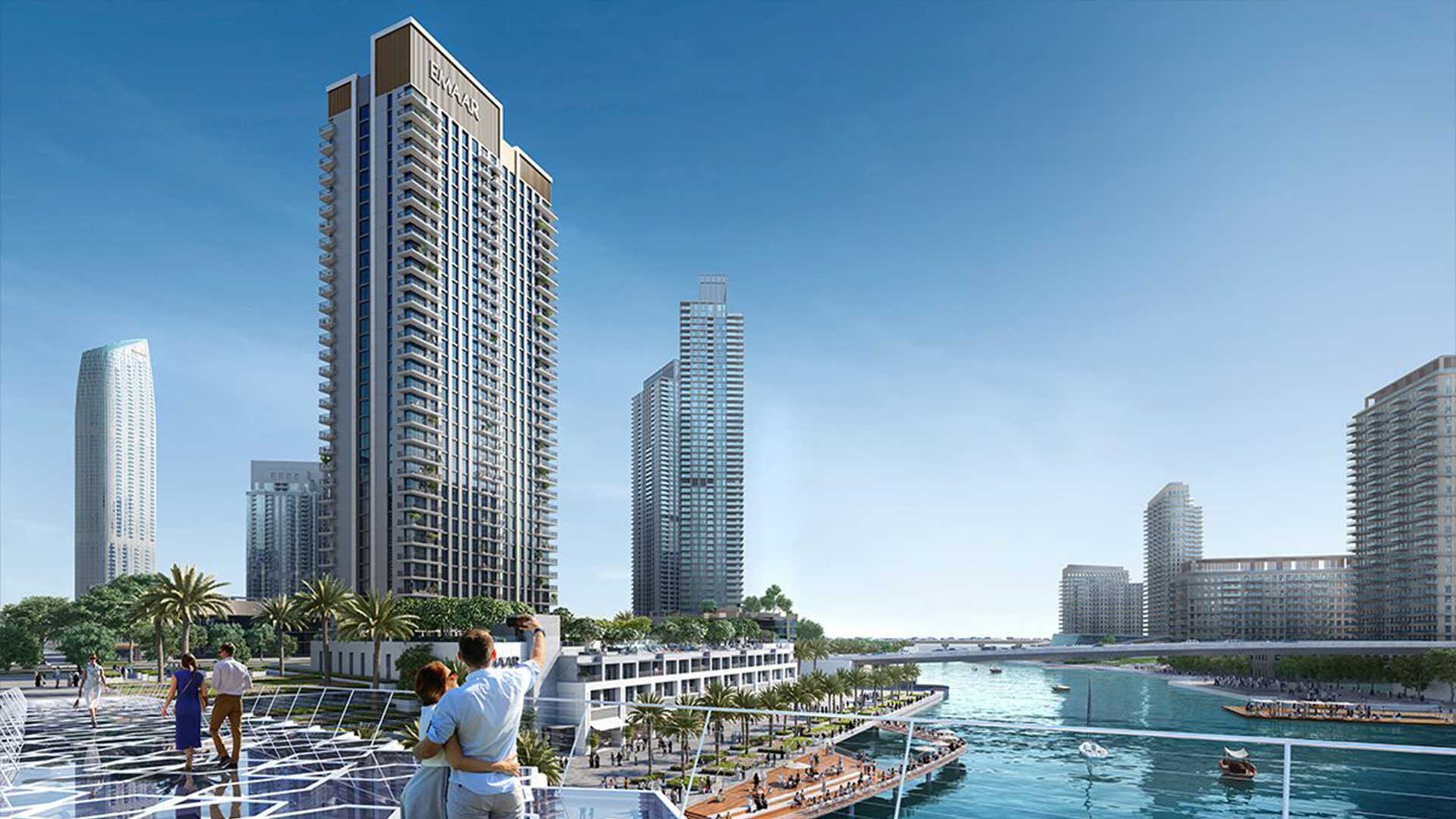
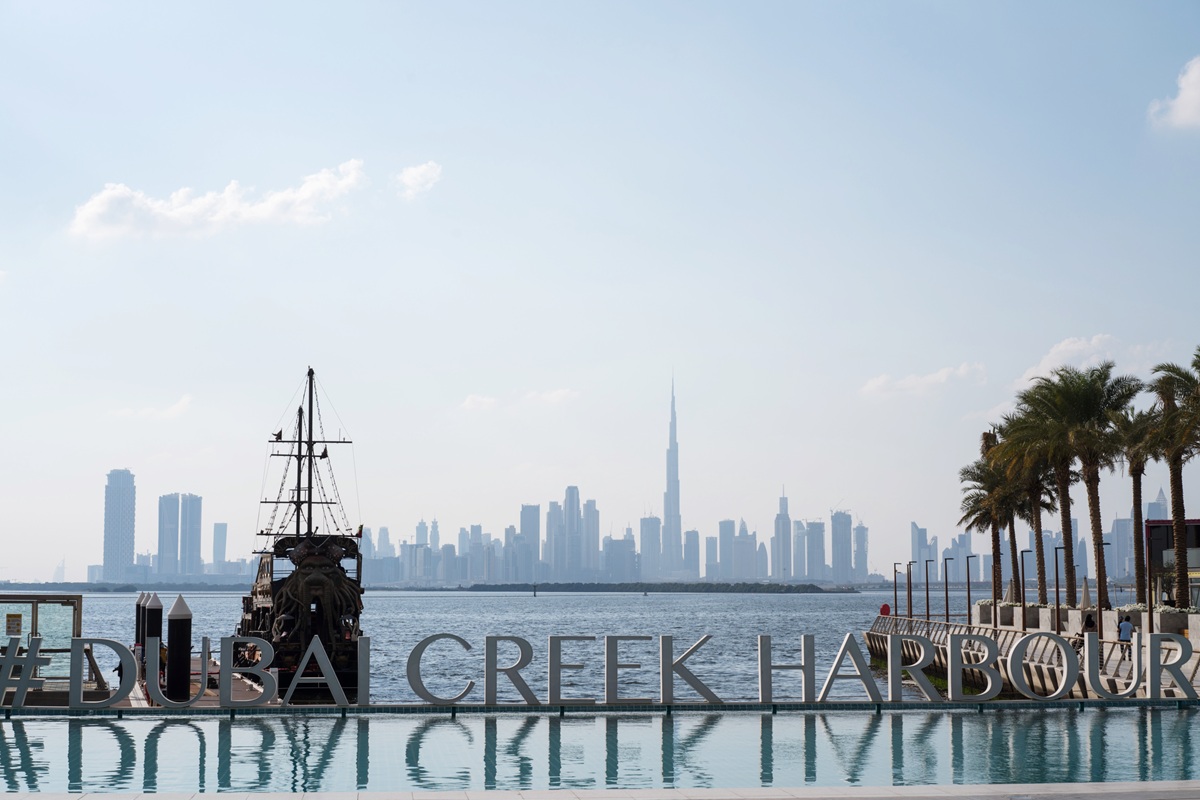
The phrase "Dubai real estate" today conjures images of glittering skyscrapers, man-made islands, and a market defined by relentless growth.
The phrase "Dubai real estate" today conjures images of glittering skyscrapers, man-made islands, and a market defined by relentless growth. Far from being a fleeting phenomenon, Dubai's property sector has matured into a resilient, globally influential asset class. It is a market fueled by progressive government policies, a diversified, robust economy, and its unique position as a safe haven and global business hub. Understanding this dynamism is crucial for any potential investor or long-term resident.
The phrase "Dubai real estate" today conjures images of glittering skyscrapers, man-made islands, and a market defined by relentless growth. Far from being a fleeting phenomenon, Dubai's property sector has matured into a resilient, globally influential asset class. It is a market fueled by progressive government policies, a diversified, robust economy, and its unique position as a safe haven and global business hub. Understanding this dynamism is crucial for any potential investor or long-term resident.
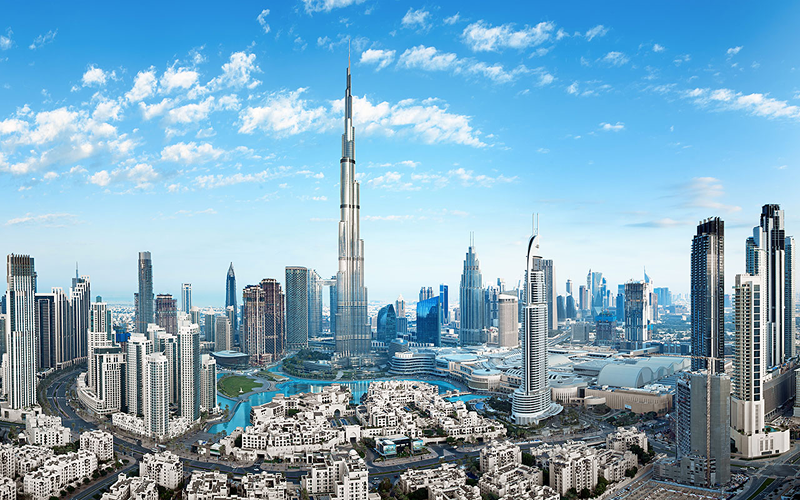
Current Market Dynamics and Key Trends
The post-pandemic era has ushered in an unprecedented boom in Dubai's real estate, solidifying its status as one of the world's most dynamic property markets. Recent years have seen record-breaking transaction volumes and significant price surges across the board.
1. Sustained Growth in Residential Prices and Rents
The residential segment has demonstrated remarkable strength. In 2024 and mid-2025, the market has seen consistent double-digit growth in both sales prices and rental rates.
Villas vs. Apartments: While apartments remain the backbone of the market, villas have been the top-performing asset class, driven by a growing demand for larger, family-friendly spaces and suburban living.
Rental Market Squeeze: A major influx of new residents—attracted by job opportunities and lifestyle—has tightened the rental market, leading to significant annual rental increases in many prime and emerging areas.
Luxury Dominance: The ultra-luxury segment continues to set global benchmarks, with high-net-worth individuals driving demand for exclusive properties in locations like Palm Jumeirah and Downtown Dubai.
2. The Rise of Commercial and Logistics Real Estate
Beyond residential spaces, the commercial and industrial sectors are seeing healthy expansion.
Office Spaces: Demand for Grade A office space remains robust, particularly in financial and business hubs like the Dubai International Financial Centre (DIFC) and Business Bay, reflecting the expansion of global and regional firms.
Logistics Boom: Dubai's strategic role as a global trade and e-commerce hub has intensified demand for modern, high-tech warehousing and logistics centres in areas like Jebel Ali Free Zone (JAFZA) and Dubai South.
3. Focus on Sustainability and PropTech
The market is increasingly embracing innovation. New developments are widely incorporating smart home technologies and eco-friendly designs, aligning with global trends toward sustainability and Dubai's ambitious green initiatives.
Prime Areas for Investment
Dubai offers a diverse landscape of investment opportunities, ranging from high-yield, affordable communities to exclusive, capital-appreciation-focused luxury enclaves.
Legal Framework: Foreign Ownership and Residency
A key differentiator for the Dubai property market is its clear, favourable legal structure for foreign investors.
Freehold vs. Leasehold
The defining moment for the market was the introduction of freehold ownership in the early 2000s, which permits non-GCC nationals to buy, sell, and lease property in designated zones with 100% ownership of both the unit and the land. Most properties advertised internationally are freehold.
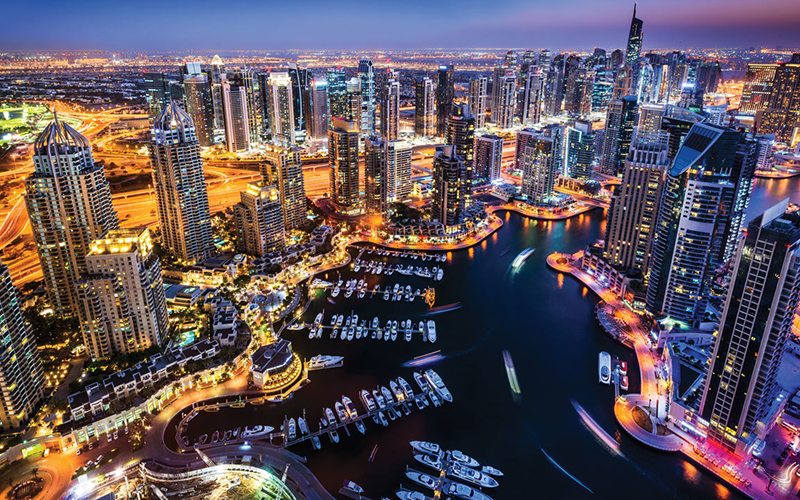
Freehold Areas: Include major spots like Downtown Dubai, Dubai Marina, Palm Jumeirah, and Business Bay.
Leasehold Areas: In older or non-designated areas, foreigners can acquire a long-term lease (usufruct) for a maximum of 99 years, but not outright ownership of the land.
The Investor Visa Advantage
Property ownership in Dubai provides a direct pathway to residency, further cementing its appeal as a long-term investment destination. The main visa tiers are:
Two-Year Property Investor Visa: Applicable for purchasing one or more properties with a minimum value of AED 750,000.
Golden Visa (5 or 10 Years): A longer-term renewable residency visa granted for a property investment with a minimum value of AED 2,000,000.
Tax Benefits and Fees
Dubai offers one of the most tax-friendly real estate environments globally.
Zero Property Tax: There is no annual property tax on residential real estate.
Zero Capital Gains Tax: Individual investors do not pay capital gains tax upon selling a property for a profit.
Key Fees: The main transaction cost is the Dubai Land Department (DLD) transfer fee, which is 4% of the property value, typically paid by the buyer.
Economic Engines Driving Real Estate Momentum
The continued success of the Dubai real estate market is fundamentally tied to the emirate's strategic economic vision and its ability to act as a global nexus.
1. Vision and Progressive Government Policies
The Dubai Economic Agenda D33, aiming to double the city's GDP by 2033, and the Dubai 2040 Urban Master Plan provide a clear roadmap for urban and economic development. These plans drive infrastructural spending, attract global talent, and ensure a sustained need for high-quality housing and commercial spaces. Progressive visa reforms, including the Golden Visa and remote work visas, have directly boosted long-term residency and property demand.
2. Global Safe Haven Status and Capital Inflow
Amid global economic and geopolitical uncertainty, Dubai is increasingly viewed as a stable, secure, and attractive hub for wealth preservation. The stability of the UAE Dirham (pegged to the USD) and the rule of law under the DLD have facilitated massive capital inflows from across Europe, Asia, and the Middle East, particularly into the high-end property market.
3. Economic Diversification
While the wider Gulf region retains ties to energy prices, Dubai has successfully diversified its economy into key sectors like tourism, trade, finance, and technology. This diversification ensures a broad base of job creation and sustained demand from a highly diverse expatriate workforce, insulating the property market from oil price volatility compared to past decades.
Outlook and Future Developments
The outlook for Dubai's real estate market remains optimistic, though some segments may see a stabilization of price growth as new supply is introduced.
Sustained Demand: The city's growing population, driven by successful government initiatives and a high quality of life, will maintain underlying demand for both sales and rentals.
New Supply: Developers continue to launch projects, which is expected to address some of the current supply shortages, particularly in the apartment segment.
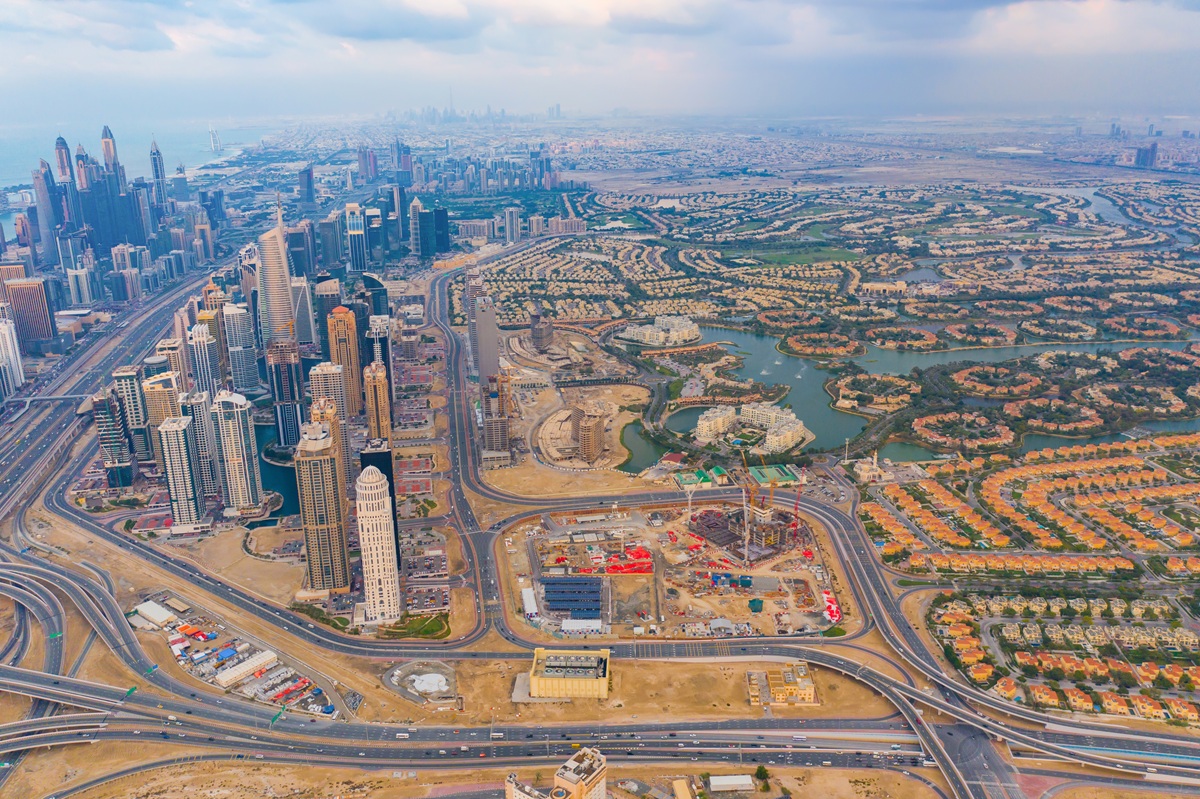
Focus on the Periphery: Master-planned communities further from the city centre, offering greater space and amenities at a more competitive price point, are expected to continue their strong growth trajectory as the city expands outwards.
The Dubai real estate property market is not merely trading units; it is trading on a vision of a dynamic, future-proof global metropolis. For the informed investor, its transparent framework, zero-tax environment, and robust economic drivers offer a compelling case for long-term growth and high rental yields.